When a migraine strikes, it can feel overwhelming, but finding relief doesn’t have to be a struggle. You deserve to feel better, and there are natural, effective ways to manage and reduce migraine pain. If you’re looking for simple and accessible solutions to help ease migraine discomfort, you’re in the right place. Keep reading…
Read more »
Search Results for: Cluster headache
If you experience at least one migraine each year, you’re not alone—17% of women and 6% of men in the U.S. share the same fate. One frustrating thing about dealing with migraines is that they can be unpredictable. While some migraines do have warning signs, such as mood changes, others come quickly and unexpectedly, potentially…
Read more »
Visual migraines are intense headaches that cause visual disturbances, such as seeing flashing lights or blind spots. These symptoms are temporary and often come on suddenly. A visual migraine not only affects your comfort, but can also have an impact on your family life, your work, and your social life. Let’s learn more about the…
Read more »
It might surprise you to learn that headache disorders affected around 3.1 billion people globally in 2021. According to the World Health Organization, this is approximately 40% of the population, making headache disorders, like migraine, among the three most common neurological conditions for most age groups, starting as young as five and as old as…
Read more »
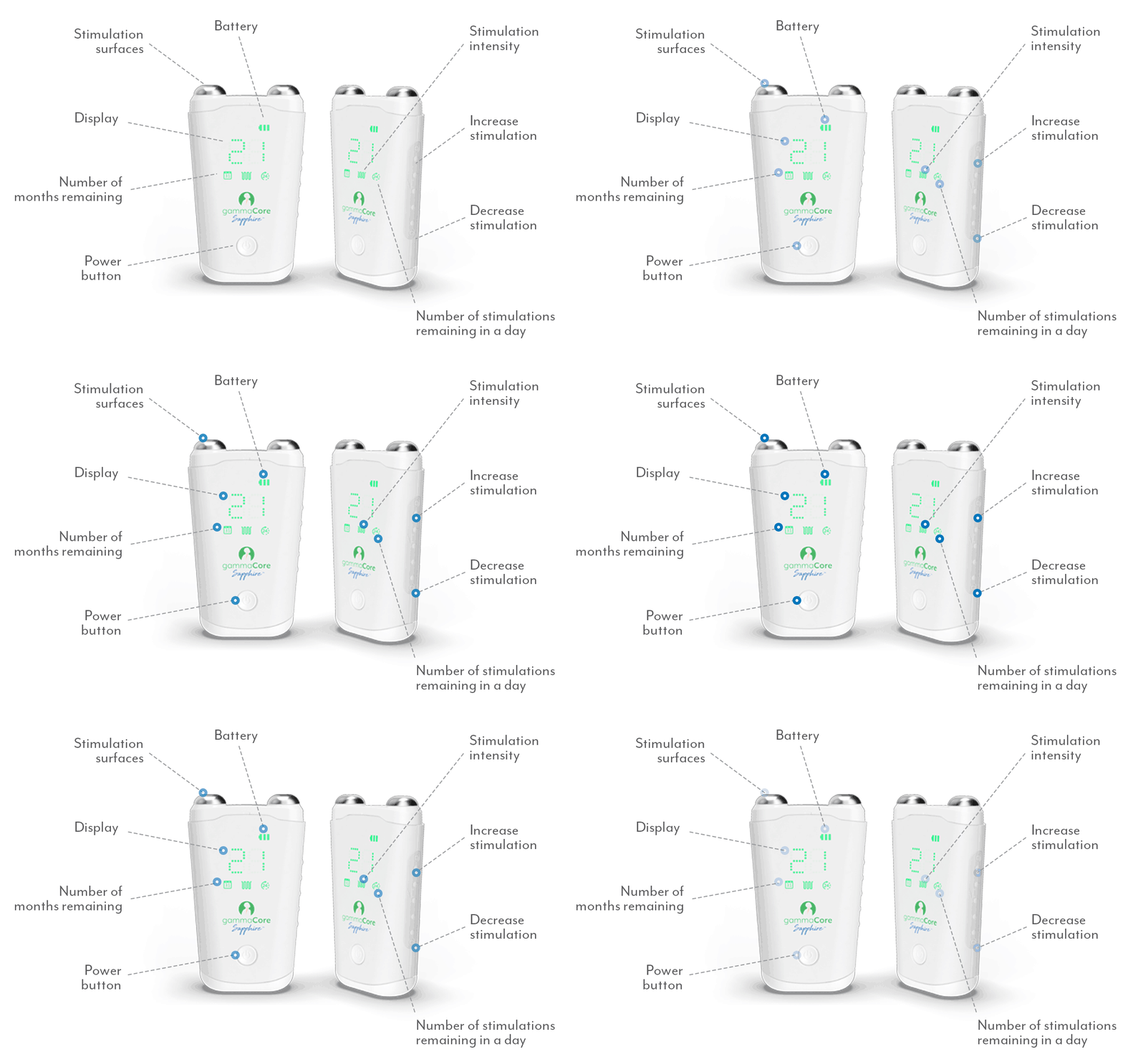
If you’re ready to take control of your migraine pain, we’ve got you covered. gammaCore non-invasive vagus nerve stimulator (nVNS) is a portable, easy-to-use medical device with 6 FDA-cleared indications for migraine and cluster headache.1 It can be used to prevent headache pain before it starts or quickly stop painful attacks when they happen. Let’s…
Read more »
If you’re a Veteran struggling with migraine or painful headaches since returning from service, you’re not alone. According to the Department of Veteran Affairs, over a third of Veterans who served at least one year in Iraq or Afghanistan have been diagnosed with migraine or signs of migraine.1 Veterans and active military personnel are more…
Read more »
Migraine is a complex neurological headache disorder that can cause debilitating pain, nausea, vomiting, sensitivity to light and sound, and more. According to the Migraine Research Foundation, approximately 12% of the US population ages 12 and older experience migraine, with women experiencing them three times more than men1. While there is no cure, there are…
Read more »