 One thing many people may not realize about living with migraine is that prevention is often just as important as treatment. Preventive migraine therapies—whether they involve medications or neuromodulation devices—are designed to reduce how often migraines occur and how severe they become. While these therapies play a key role, everyday habits like nutrition can also make a meaningful difference.
The foods you eat can influence inflammation, blood sugar levels, hydration, and even the way your nervous system functions. For many people with migraine, small adjustments to their diet can help support a broader migraine prevention plan. Here are a few easy nutrition tips that may help prevent migraine.
Keep Blood Sugar Levels Steady
One of the most common migraine triggers is fluctuating blood sugar levels. Skipping meals or going too long without eating can lead to drops in blood glucose. Your brain relies on glucose for fuel, and when levels drop, it can trigger a stress response that causes headaches for some people.
To help keep blood sugar stable:
- Eat regular meals and snacks throughout the day.
- Limit your intake of high-sugar foods.
- Include a balance of protein, healthy fats, whole grains, and complex carbohydrates.
- Avoid long gaps between meals or skipping meals altogether.
For example, instead of just grabbing toast in the morning, you might pair it with eggs, yogurt, or nut butter to create a more balanced meal.
Stay Well Hydrated
Dehydration (when your body loses more fluid than it consumes) is another common migraine trigger, and one that’s often exacerbated by strenuous exercise, alcohol, caffeine, hot weather, and salty foods. Even mild dehydration can contribute to headaches in some individuals.
A few simple hydration tips include:
- Drinking water consistently throughout the day.
- Carrying a reusable water bottle as a reminder.
- Increasing fluid intake during hot weather or after exercise.
Identify Potential Food Triggers
Certain foods may trigger migraines in some people, though triggers can vary widely from person to person. Commonly reported dietary triggers include:
- Aged cheeses
- Processed meats
- Foods containing MSG
- Alcohol, particularly red wine
- Artificial sweeteners
It’s important to remember that not everyone reacts to these foods. Keeping a simple food and symptom diary can help you identify patterns between what you eat and when migraines occur. Tracking meals, snacks, and symptoms over time will make it easier to recognize potential triggers and discuss them with your health care provider.
Focus on Nutrient-Rich Foods
A balanced diet rich in whole foods can help support overall neurological health. Many experts recommend focusing on:
- Fresh fruits and vegetables
- Whole grains
- Lean proteins like fish, chicken, tofu, or legumes
- Healthy fats such as olive oil, nuts, and avocados
Some research also suggests that nutrients like magnesium, riboflavin (vitamin B2), and omega-3 fatty acids may play a role in migraine prevention.[1] Foods such as leafy greens, almonds, seeds, and fatty fish can help provide these nutrients naturally.
Always speak with your health care provider before starting new supplements.
Don’t Skip Breakfast
Morning routines can be hectic, and it can be tempting to skip out on breakfast in the rush. But there’s a reason they call it the most important meal of the day. Skipping breakfast may increase the likelihood of headaches later in the day for some people.
Eating a simple, balanced breakfast will help provide steady energy for the brain and nervous system. Even something quick—like Greek yogurt with fruit, oatmeal with nuts, or a smoothie—can help set a stable foundation for the day.
Build Nutrition into a Broader Prevention Plan
Nutrition is just one part of migraine prevention. Many people find that the most effective approach involves combining several strategies, such as:
- Consistent sleep routines
- Stress management techniques
- Regular physical activity
- Preventive migraine therapies recommended by their health care provider
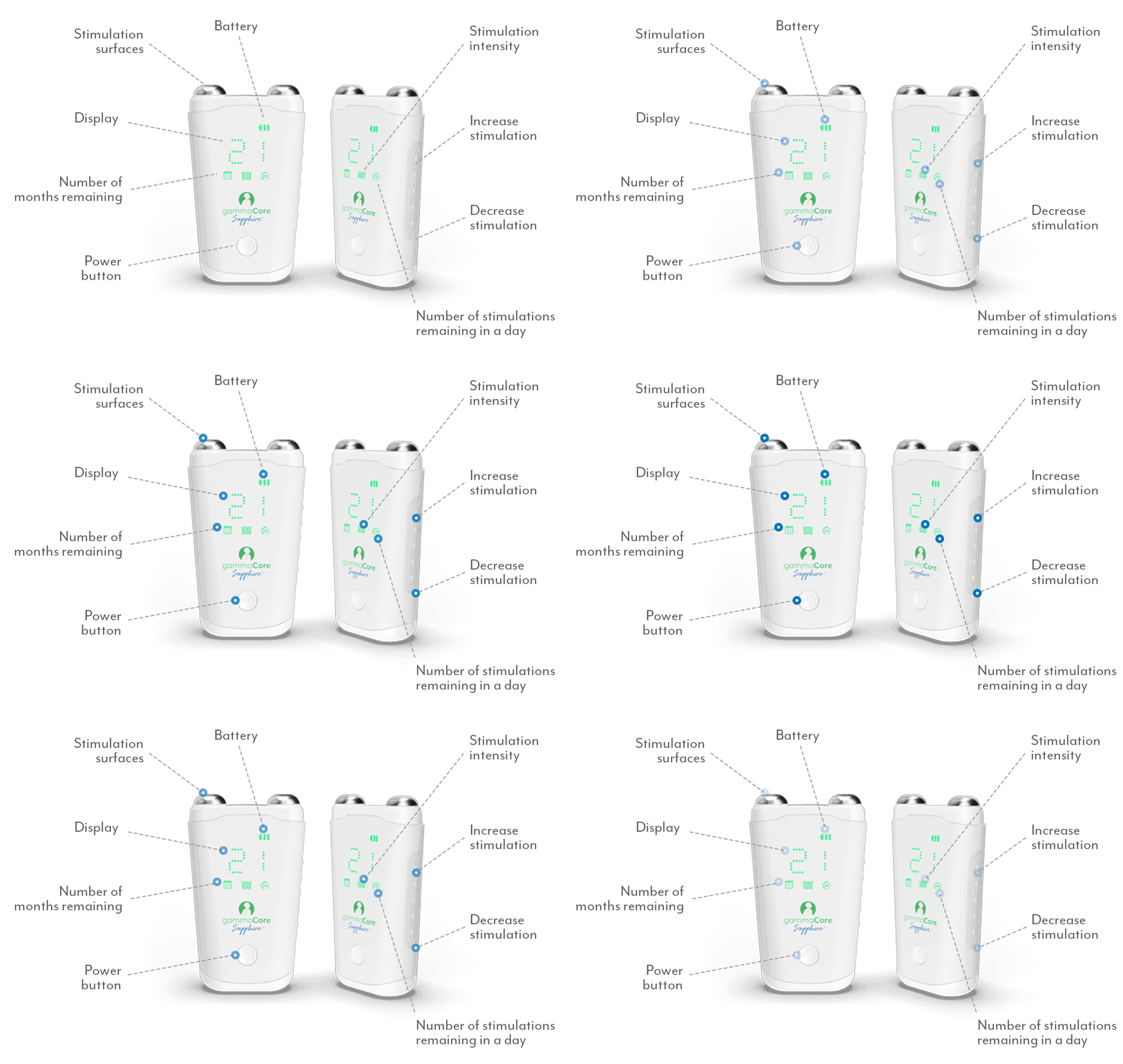
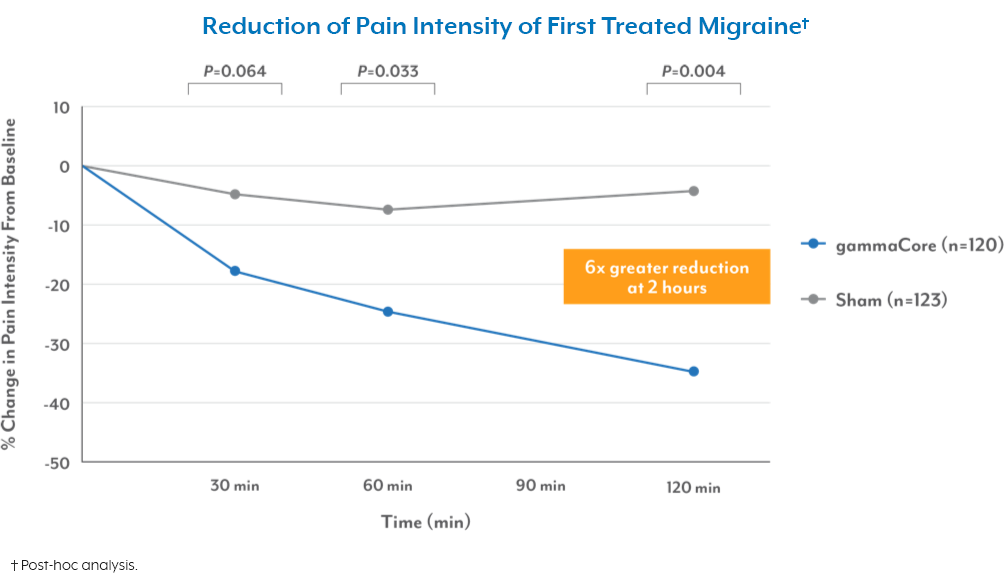
Preventing migraine often involves a combination of lifestyle modifications and treatment options. Drug-free therapies like gammaCore™ non-invasive vagus nerve stimulator (nVNS) may be one option to discuss with a health care provider. This handheld device is FDA-cleared for the treatment of migraine and cluster headache[2] in adults. Because it is portable and easy to use, gammaCore nVNS can be easily integrated into daily routines alongside other preventive strategies.
Supporting Your Migraine Management
Migraines are complex, and what works for one person may not work for another. However, paying attention to everyday nutrition habits—like hydration, meal timing, and nutrient intake—can help support your overall migraine management plan.
When combined with preventive therapies and guidance from a health care provider, thoughtful nutrition choices may help create a more stable foundation for managing migraines and maintaining quality of life.
Talk to your health care provider to see if gammaCore is right for you, or visit our clinic finder to help locate a health care provider near you. For additional information, contact our dedicated Customer Experience team at 888-903-2673 or customerservice@electrocore.com.
For important safety information and instructions for using gammaCore, please review the Important Safety Information and Instructions for Use.
References
1. (n.d.). Supplements for migraine. The Migraine Trust. Retrieved March 4, 2026, from https://migrainetrust.org/live-with-migraine/healthcare/treatments/supplements/
2. gammaCore non-invasive vagus nerve stimulator (nVNS) is indicated for the adjunctive use for the preventive treatment of cluster headache in adult patients and the acute treatment of pain associated with episodic cluster headache in adult patients.
EPM-02658