 Living with migraine is about much more than a bad headache. Migraine attacks can affect your energy, mood, focus, work, social life, and relationships. Yet many people living with migraine struggle to explain what they’re going through to the people closest to them.
Friends and family may not fully understand why you cancel plans at the last minute, need to lie down in a dark room in the middle of the day, or seem withdrawn during or after an attack. That misunderstanding can sometimes leave people with migraine feeling frustrated, isolated, or even guilty.
The good news is that open, honest communication can help build understanding and support. Here are some practical ways to talk to your loved ones about migraine and help them better understand what life with migraine is really like.
Start with the Basics
Many people still think migraine is “just a bad headache.” In reality, migraine is a neurological condition that can come with a wide range of symptoms, including:
- Throbbing or pulsing head pain
- Sensitivity to light, sound, or smells
- Nausea or vomiting
- Dizziness
- Brain fog or difficulty concentrating
- Fatigue before or after an attack
- Visual disturbances, sometimes called aura
When talking to friends or family, it can help to explain that migraine affects the brain and nervous system. You don’t need to give a medical lecture. Simple, relatable explanations are often most effective.
For example:
- “During a migraine attack, even normal light and noise can feel overwhelming.”
- “It’s not something I can push through easily.”
- “Sometimes the exhaustion lasts even after the pain improves.”
Be Honest About How Migraine Affects Your Daily Life
Loved ones may only see small pieces of what you experience. Sharing how migraine impacts your routine can help them understand the bigger picture. You might explain:
- Why you sometimes cancel plans unexpectedly.
- Why certain environments trigger symptoms.
- How stress, lack of sleep, or weather changes affect you.
- What recovery looks like after an attack.
It’s okay to be vulnerable. Saying something like, “I worry people think I’m unreliable, but I’m really doing my best,” can open the door to more compassionate conversations.
Explain What Helps (and What Doesn’t)
Sometimes people want to help but simply don’t know how. Being specific can make a big difference. Let your loved ones know what supports you during an attack. For example:
- Keeping noise levels low.
- Dimming the lights.
- Giving you space to rest.
- Helping with childcare or errands.
- Being flexible if plans need to change.
It’s equally okay to explain what isn’t helpful. Comments like “Just drink more water” or “It’s probably stress” may come from a good place, but they can feel dismissive when you’re dealing with a serious condition.
You can gently redirect by saying:
- “I know you’re trying to help, but migraine is a bit more complicated than that.”
- “I’m already working with my health care provider on managing it.”
Choose the Right Time to Talk
Trying to explain migraine during an active attack may not always go well, especially when you’re in pain or exhausted.
Whenever possible, have these conversations during calmer moments when you feel more comfortable and clear-headed. This gives everyone more space to listen and ask questions.
You don’t have to share everything at once, either. These conversations often happen gradually over time.
Remember That Understanding Takes Time
Even caring, supportive people may not fully “get it” right away, especially if they’ve never experienced a migraine themselves. That doesn’t mean your experience isn’t valid.
Patience and repetition can help. Sometimes it takes seeing the condition over time for others to truly understand how unpredictable and disruptive migraine can be. You may also find that some people become strong sources of support once they better understand what you’re living with.
Building a Migraine Management Plan
While communication and support are important, many people also benefit from creating a broader migraine management plan with their health care provider. This may include identifying triggers, improving sleep habits, managing stress, and exploring treatment options.
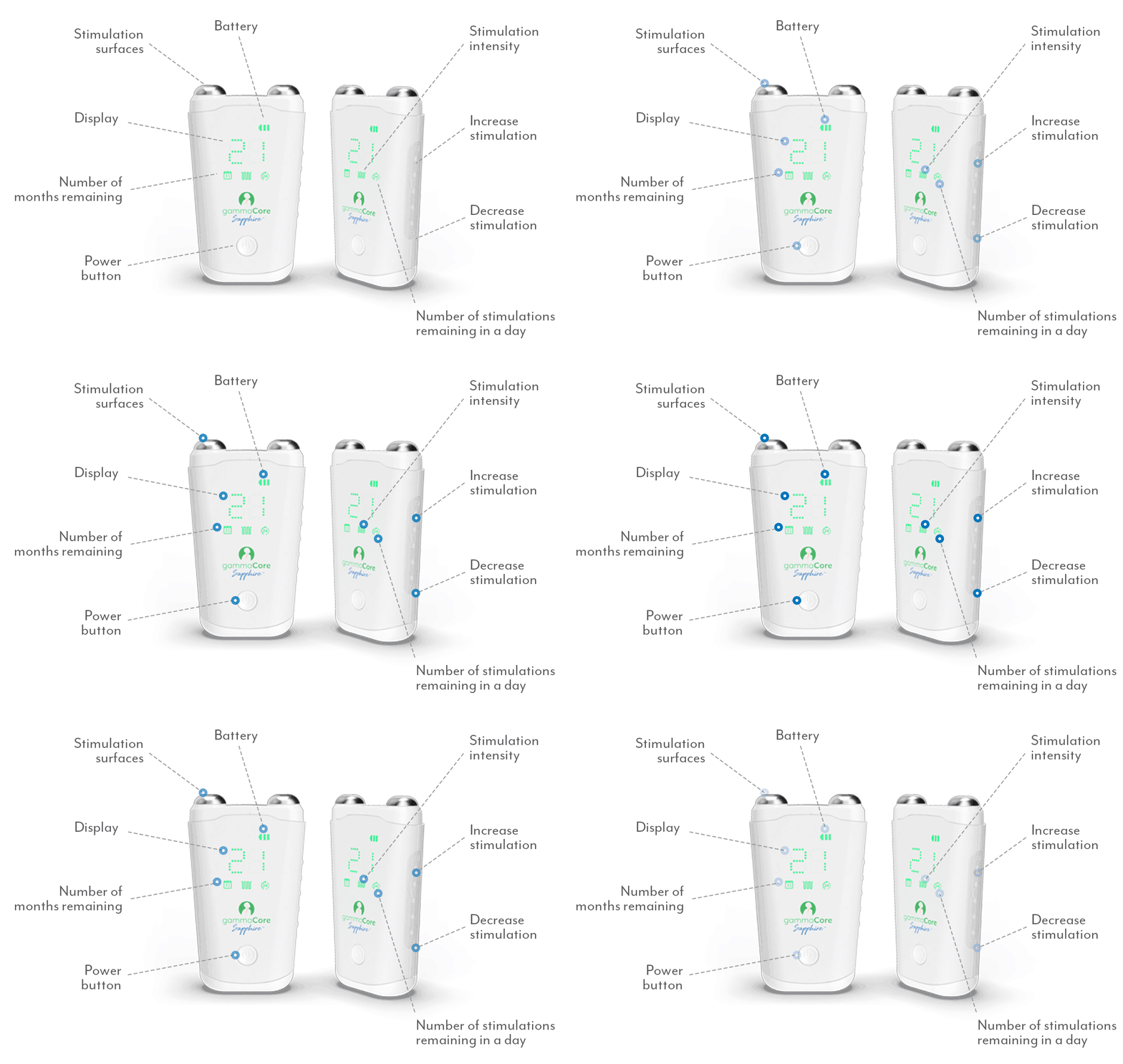
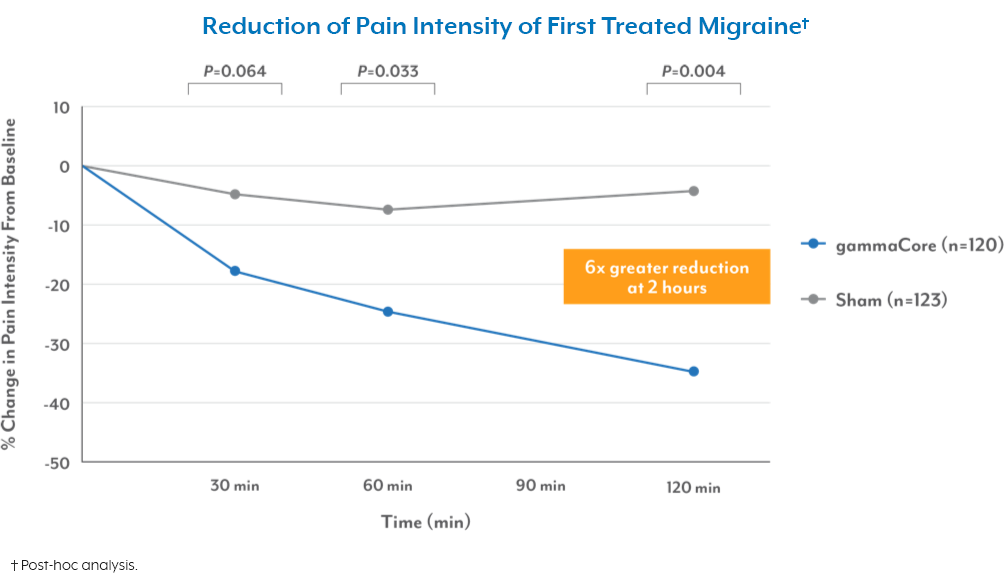
For some people, non-drug treatment options like gammaCore™ non-invasive vagus nerve stimulator (nVNS) may also play a role. gammaCore nVNS is a drug-free prescription therapy designed to help prevent and treat certain primary headache disorders, like migraine, by delivering gentle electrical stimulation to the vagus nerve, which helps counteract migraine pain.
Having a treatment plan that you feel confident about can sometimes make it easier to communicate your needs to the people around you as well. Talking about migraine isn’t always easy, especially when the condition is invisible to others. But honest conversations can help reduce misunderstandings and strengthen the support system around you.
You don’t need to “prove” your pain for it to be real. The people who care about you may simply need guidance to better understand what you’re experiencing and how they can help.
Talk to your health care provider to see if gammaCore is right for you, or visit our clinic finder to help locate a health care provider near you. For additional information, contact our dedicated Customer Experience team at 888-903-2673 or customerservice@electrocore.com.
For important safety information and instructions for using gammaCore, please review the Important Safety Information and Instructions for Use.
EPM-02676