 Cluster headaches are often described as one of the most intense types of pain a person can experience, but what’s less talked about is the emotional toll they can take. If you’re living with cluster headache, you’re not just managing physical pain. You’re also navigating fear, frustration, exhaustion, and sometimes even isolation that comes with the condition.
The good news? You’re not alone, and there are ways to support your mental and emotional well-being alongside your physical health.
Why Cluster Headaches Can Feel So Overwhelming
Cluster headaches tend to come on suddenly, often at the same time each day or night, and can last for weeks or months in cycles. This unpredictability can create a constant sense of anxiety. You may find yourself worrying about when the next attack will hit, especially if it disrupts your sleep, work, or daily routine.
Over time, this can lead to:
- Anticipatory anxiety (feeling on edge waiting for the next attack).
- Sleep disruption, which impacts mood and energy.
- Social withdrawal, especially if plans are frequently cancelled.
- Feelings of helplessness or loss of control.
It’s completely valid to feel this way. Chronic pain affects your body but also impacts your whole life.
Managing the Emotional Impact of Cluster Headaches
Fortunately, there are several things you can do to help manage the impact that your cluster headaches have on your emotional health, mental health, and overall well-being.
- Acknowledge what you’re going through. One of the most important steps is simply recognizing that cluster headaches affect more than just your physical health. It’s okay to admit that this is hard. Try to avoid minimizing your experience or trying to push through without the support that’s available to you. Giving yourself permission to feel frustrated, tired, or overwhelmed can actually be a powerful first step toward coping.
- Build a support system. You don’t have to go through this alone. Whether it’s a partner, close friend, family member, or even an online support group, having people who understand (or are willing to learn) can make a huge difference.
If it feels difficult to explain, you might start with something simple like:
- “I get severe headache attacks that can be really disruptive.”
- “Sometimes I may need to cancel plans last minute. It’s not personal.”
Support groups, especially those focused on cluster headaches, can also help you feel less isolated and give you a space to share experiences and tips.
- Take back a sense of control. Cluster headaches can make you feel like your life revolves around pain cycles. Finding small ways to regain control can help shift that feeling. This might include:
- Keeping a headache diary to track patterns or triggers.
- Creating a simple routine during active periods (even small habits like a morning walk or wind-down ritual).
- Planning flexible activities that feel manageable.
Even small wins can help restore a sense of stability.
- Prioritize your mental health. Living with intense, recurring pain can increase your risk of anxiety and depression. Taking care of your mental health is just as important as treating the headaches themselves. Some helpful strategies include:
- Mindfulness or breathing exercises to manage stress.
- Gentle movement, like stretching or yoga, when you’re able.
- Speaking with a therapist or counselor, especially one familiar with chronic pain.
If you ever feel persistently low, overwhelmed, or hopeless, reaching out to a health care provider is an important step.
- Explore treatment options that fit your life. Having a plan in place for managing attacks can ease some of the emotional burden. Many people use a combination of treatments, including medications and oxygen therapy, depending on what works best for them.
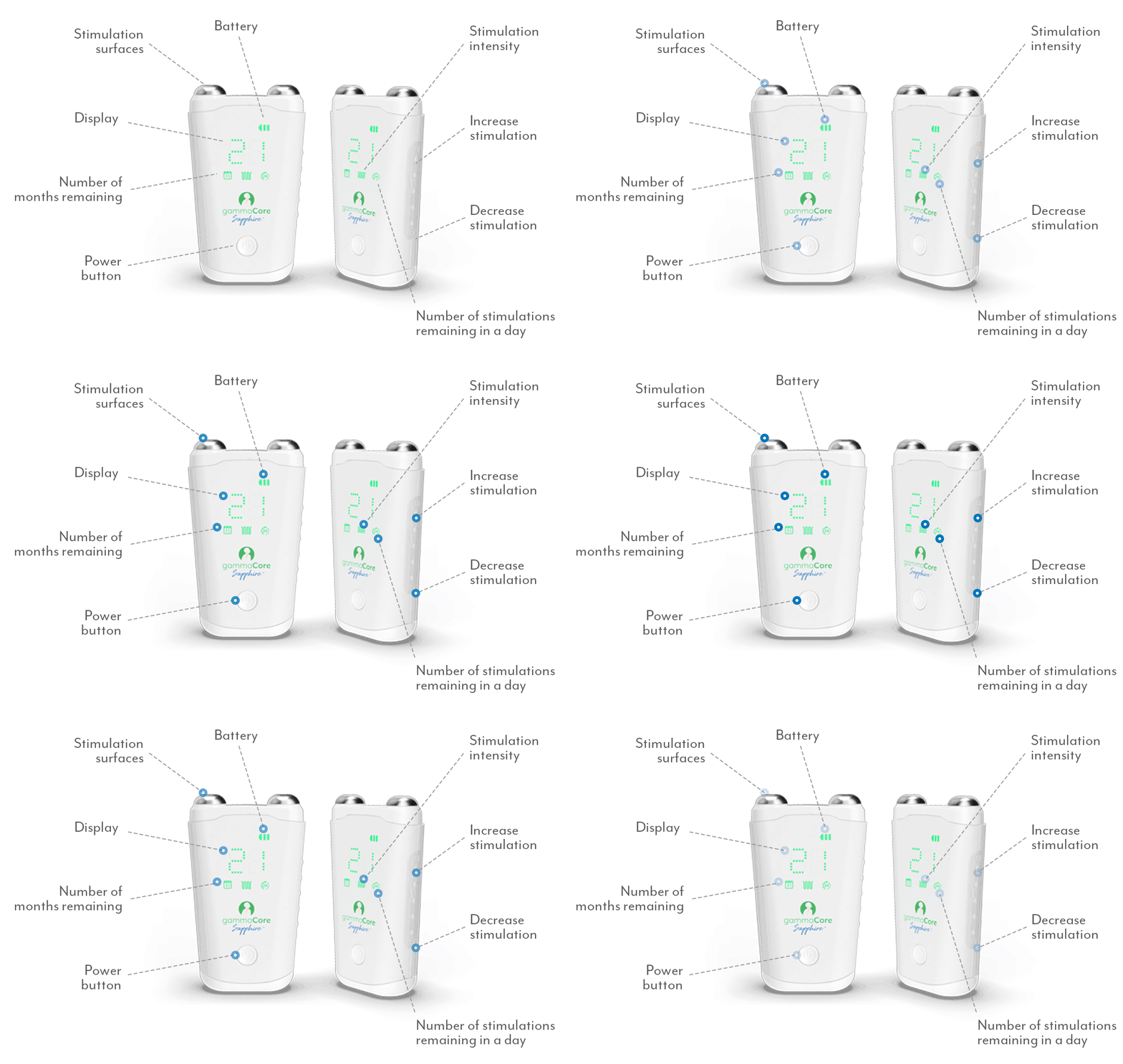
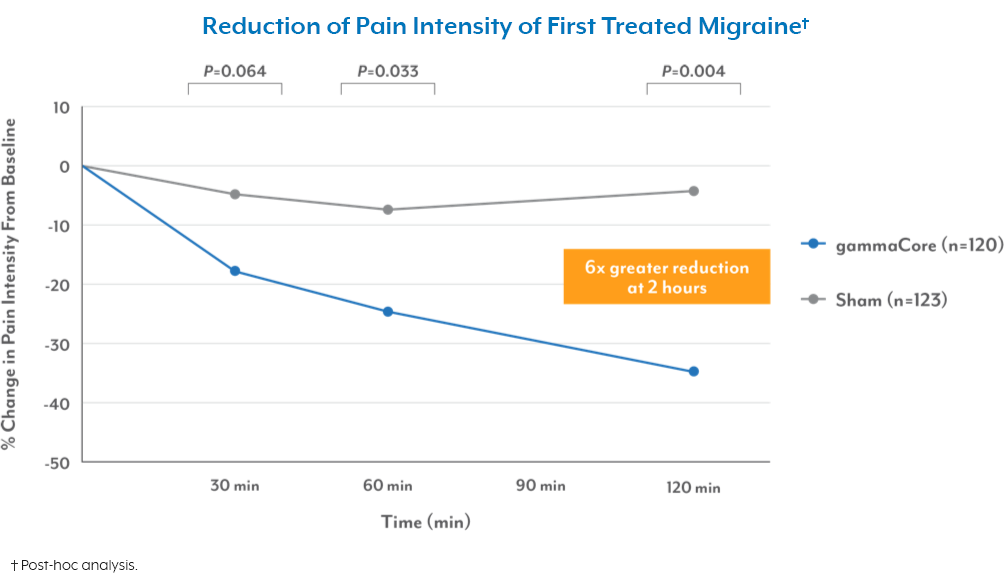
You also have the option to explore non-drug options that are designed to fit seamlessly into your life, which in itself can help relieve some of the emotional burden. Devices like gammaCore™ non-invasive vagus nerve stimulator (nVNS) can be used as an acute treatment when headache pain strikes, or as a preventive treatment when used daily. In other words, it works to provide relief when you need it most. And because gammaCore is portable and can be used on-the-go, it may offer a sense of flexibility and control, especially during unpredictable cycles.
Cluster headaches are complex, and so is the experience of living with them. The emotional impact is real, and it deserves attention, care, and support. By building a support system, prioritizing your mental health, and exploring treatment options that align with your lifestyle, you can begin to ease both the physical and emotional weight of cluster headaches.
And on the hardest days, remember this: you’re doing the best you can, and that’s more than enough.
Talk to your health care provider to see if gammaCore is right for you, or visit our clinic finder to help locate a health care provider near you. For additional information, contact our dedicated Customer Experience team at 888-903-2673 or customerservice@electrocore.com.
For important safety information and instructions for using gammaCore, please review the Important Safety Information and Instructions for Use.
EPM-02664