 If you live with migraine or cluster headache, you’ve likely tried (or at least considered) prescription medications to manage your symptoms. While these treatments can be effective, they don’t work the same way for everyone, and they often come with trade-offs. That’s where non-invasive vagus nerve stimulation (nVNS) comes in as an alternative or complementary option.
So, how do nVNS and prescription drugs compare? Let’s break it down in simple terms.
What Are Prescription Medications?
Prescription drugs for migraine and cluster headache generally fall into two categories:
- Acute treatments, taken when a headache starts (like triptans or pain relievers).
- Preventive treatments, taken regularly to reduce how often headaches happen.
For many people, these medications can provide meaningful relief. But they can also come with drug-related side effects, limitations, and risks, especially with long-term use.
Benefits of Prescription Drugs
Prescription medications are often the first line of treatment, and for good reason:
- Fast-acting relief: Some medications can stop a migraine in its tracks when taken early.
- Widely studied: Many have years of clinical research behind them.
- Accessible: They’re commonly prescribed and covered by insurance plans.
However, effectiveness can vary widely from person to person.
Drawbacks of Prescription Drugs
While helpful, medications aren’t always a perfect solution:
- Side effects: These can include fatigue, dizziness, nausea, or more serious risks depending on the drug.
- Medication overuse headaches: Using pain medication (including over-the-counter NSAIDs, triptans, or opioids) more than 2–3 days a week can cause “rebound” headaches, where the medication itself triggers new headaches
- Drug interactions: Some medications may not be safe to combine with others.
- Not suitable for everyone: People with certain health conditions may need to avoid specific drugs.
- Inadequate relief
What Is nVNS?
Non-invasive vagus nerve stimulation (nVNS) is a drug-free treatment that uses mild electrical stimulation applied to the neck to target the vagus nerve, a key pathway involved in pain signaling.
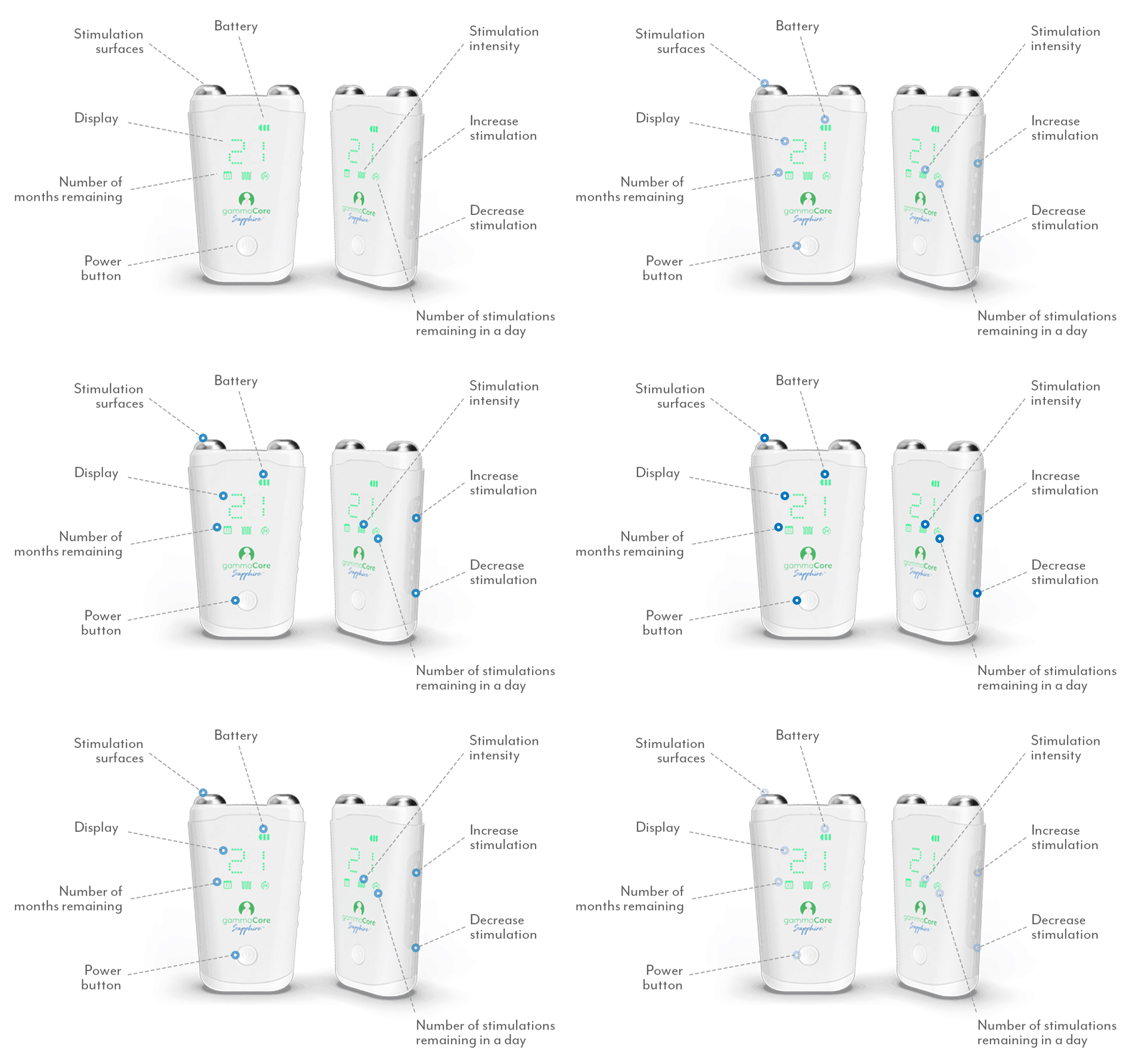
Devices like gammaCore™ nVNS deliver this therapy in short sessions (two minutes), and can be used at the onset of a headache (acute treatment) or as part of a daily routine to help prevent attacks (preventive treatments).
Benefits of nVNS
nVNS offers a different approach, one that doesn’t rely on medication:
- Drug-free option: There are none of the systemic side effects that are typically associated with medications.
- Targeted therapy: It works by stimulating the vagus nerve, which then carries these signals to the brain to modulate neural activity.
- Flexible use: It can be used acutely at the onset of a headache and, when appropriate, as part of a regular routine as recommended by a health care provider.
- Portable and convenient: Devices, like gammaCore™ are small enough to use at home or on the go.
For people who can’t tolerate medications, or want to reduce their reliance on them, this can be a meaningful alternative.
Drawbacks of nVNS
Like any treatment, nVNS isn’t without limitations:
- Requires consistency: Preventive use involves regular sessions, ideally daily.
- May not work for everyone: Response can vary, just like with medications.
- Upfront cost or access considerations: Coverage and availability may differ depending on where you live and what your benefits cover.
- Side effects: nVNS is generally well tolerated, though some users may experience mild, temporary effects at the application site, such as tingling, redness, or skin irritation.
That said, many people find the trade-off worthwhile, especially when looking for a non-drug approach.
Effectiveness: How Do They Compare?
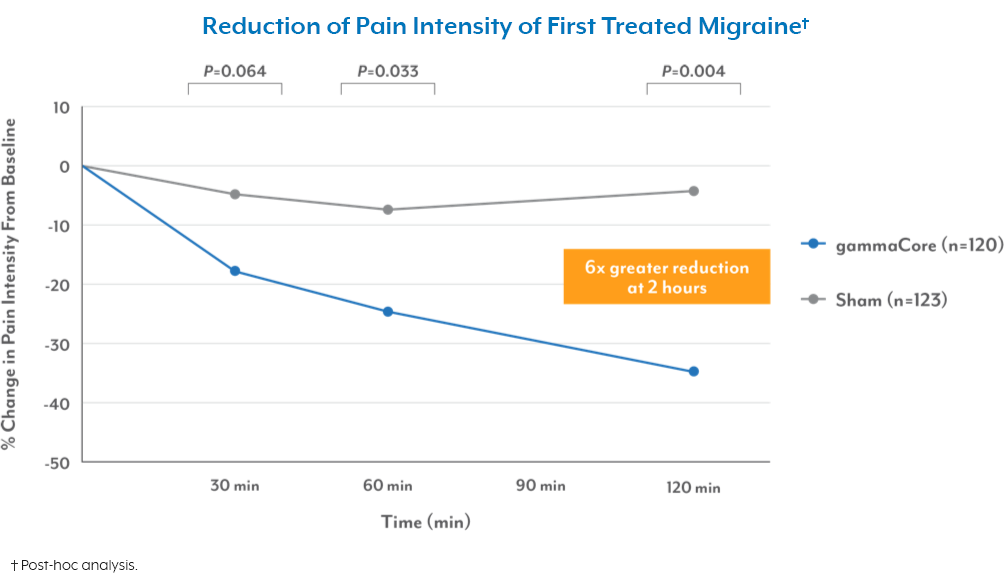
There’s no one-size-fits-all answer here. Both prescription medications and nVNS have been shown to help reduce the severity and frequency of migraine and cluster headache.
The key difference lies in how they work:
- Medications typically act on chemical pathways in the brain.
- nVNS works by modulating neurochemical levels, reducing inflammation, and inhibiting pain signaling
For some people, combining both approaches—under medical guidance—may offer the best results.
Finding What Works for You
Managing migraine or cluster headache is often a journey of trial and error. What works well for one person might not work for another, and that’s completely normal.
If you’re experiencing side effects from medications, not getting enough relief, or simply looking for a drug-free option, it may be worth exploring alternatives like nVNS. Devices like gammaCore are designed to fit into your daily routine, providing some control over when and how you manage your symptoms without adding another medication to your list.
Whether you rely on prescription medications, explore nVNS, or use a combination of both, the goal is the same: fewer disruptions, less pain, and more good days.
Talk to your health care provider to see if gammaCore is right for you, or visit our clinic finder to help locate a health care provider near you. For additional information, contact our dedicated Customer Experience team at 888-903-2673 or customerservice@electrocore.com.
For important safety information and instructions for using gammaCore, please review the Important Safety Information and Instructions for Use.
EPM-02663