 A cluster headache attack can feel overwhelming to say the least. The intense pain, sensitivity to light and sound, restlessness, and exhaustion that often follow can leave you feeling physically and emotionally drained. Even after the worst of the pain passes, your nervous system may still feel “on edge,” making it difficult to fully recover.
That’s why creating a calm, supportive recovery environment can make a meaningful difference. While there’s no one-size-fits-all solution, small sensory adjustments may help you feel more comfortable as your body settles back to “normal” after an attack.
Why Sensory Recovery Matters
Cluster headache affects more than just your head. During and after an attack, your nervous system can become overstimulated. Many people report feeling sensitive to light, noise, temperature changes, strong smells, or even certain textures after the pain subsides.
Think of recovery as giving your brain and body a chance to “cool down.” A calm space may help reduce sensory overload and allow you to focus on resting and recovering.
Start with Lighting
Bright or harsh lighting can feel unbearable after a cluster attack. If possible, move to a dimly lit room or use soft, warm lighting instead of overhead lights, such as:
- Adjustable blackout curtains
- Salt lamps or warm bedside lamps
- Adjustable dimmer lights
- Eye masks for resting
Natural light can also be soothing for some people, but the key is keeping it gentle and manageable. Avoid staring at screens immediately after an attack if they worsen discomfort.
Reduce Noise and Stimulation
After a cluster attack, even everyday sounds can feel irritating or exhausting. Creating a quieter environment may help your nervous system settle. You might try:
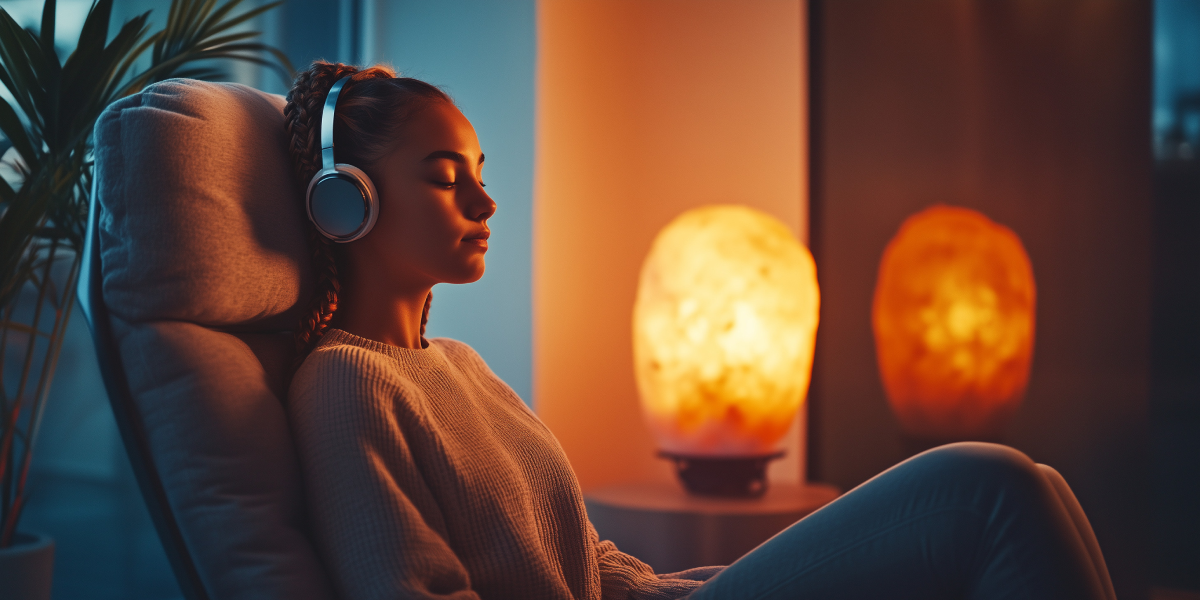
- Noise-cancelling headphones
- White noise machines or soft nature sounds
- Turning off TVs or background music
- Asking family members to keep noise levels low during recovery
If complete silence feels uncomfortable, calming background sounds like rainfall or ocean waves may feel more soothing than conversation or fast-paced media.
Pay Attention to Temperature
Many people with cluster headaches find that temperature plays a role in comfort during recovery. A room that feels too hot or stuffy may increase discomfort. Consider:
- Keeping the room cool and well-ventilated
- Using a fan for airflow
- Applying a cool cloth to the neck or forehead
- Wearing loose, breathable clothing
Comfort matters. Your recovery space doesn’t need to look perfect — it just needs to feel supportive.
Minimize Strong Smells
Strong scents can sometimes trigger or worsen discomfort for people living with headache conditions. For your post-attack calm space, it may help to avoid:
- Candles
- Heavy perfumes
- Cleaning products with strong fragrances
- Strong cooking smells
Fresh air or lightly scented environments are often easier to tolerate after an attack.
Create a “Recovery Kit”
When you’re dealing with cluster headaches, preparing your calm space ahead of time can reduce stress during difficult moments. Some people find it helpful to keep a small recovery kit nearby with items that bring comfort and relief. Your kit could include:
- Water or electrolyte drinks
- A cooling eye mask
- Earplugs or headphones
- Comfortable clothing
- Medications or prescribed therapies
- A blanket or supportive pillow
Having everything within reach may help you focus on resting instead of scrambling for what you need after an attack.
Don’t Forget Emotional Recovery
Cluster headaches can take an emotional toll, too. After an attack, it’s common to feel anxious, frustrated, or mentally exhausted. Give yourself permission to rest without guilt.
Simple calming activities may help you decompress, such as:
- Deep breathing exercises
- Gentle stretching
- Meditation apps
- Journaling
- Sitting quietly with minimal stimulation
Recovery isn’t just about reducing pain — it’s about helping your mind and body feel safe and regulated again.
Exploring Non-Drug Support Options
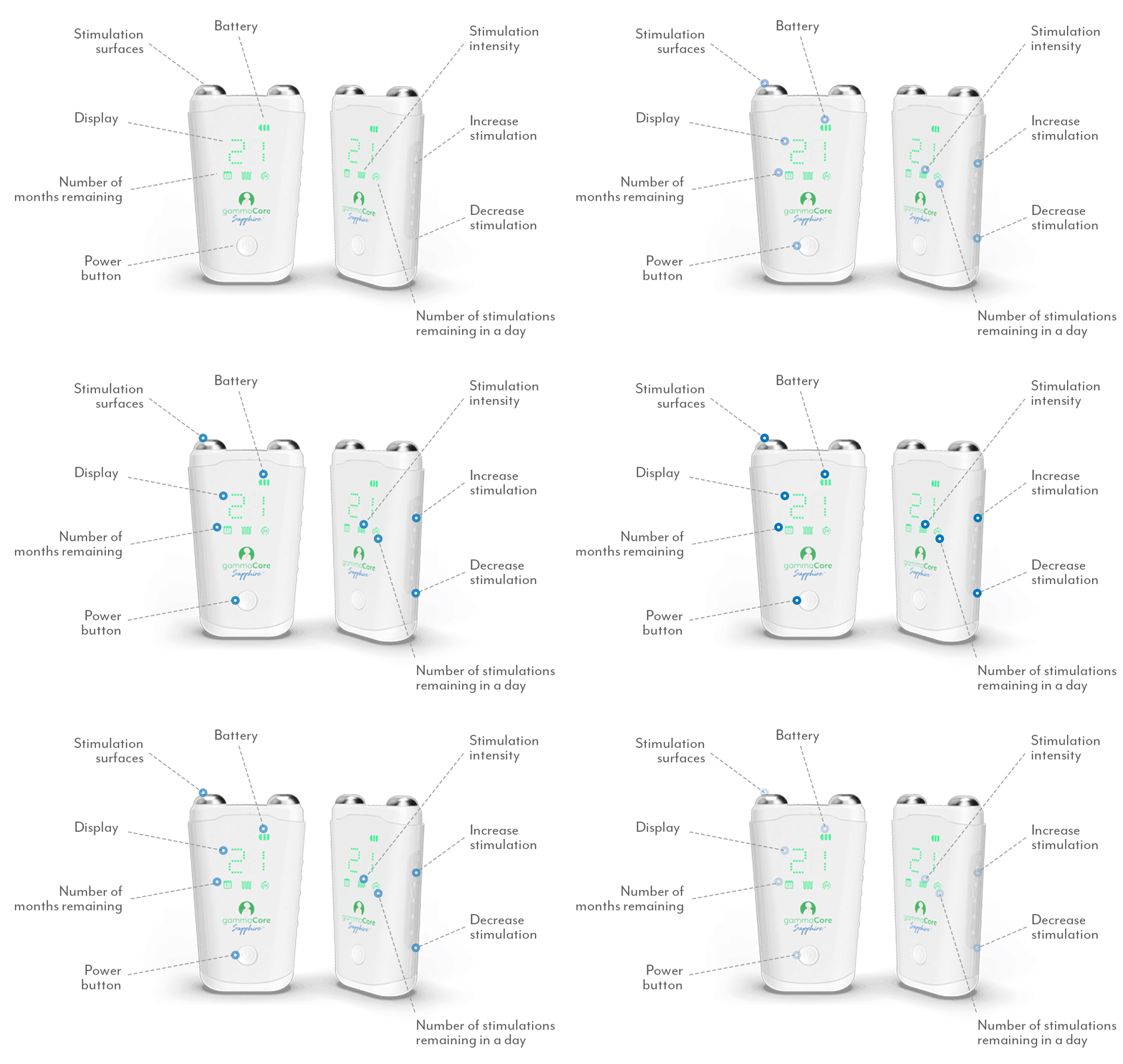
Many people living with cluster headache look for ways to support recovery beyond medication alone. Devices like gammaCore™ non-invasive vagus nerve stimulator (nVNS) use gentle electrical stimulation as a drug-free treatment option for adults with cluster headache. Because the vagus nerve plays an important role in the nervous system, some patients appreciate having an option they can use as part of their broader headache management routine.
While recovery looks different for everyone, creating a calm, low-stimulation environment may help make difficult days feel a little more manageable. Sometimes, the smallest sensory changes can provide a greater sense of comfort and control when you need it most.
Talk to your health care provider to see if gammaCore is right for you, or visit our clinic finder to help locate a health care provider near you. For additional information, contact our dedicated Customer Experience team at 888-903-2673 or customerservice@electrocore.com.
For important safety information and instructions for using gammaCore, please review the Important Safety Information and Instructions for Use.
EPM-02675