When you live with migraine, exercise can feel like a gamble. Will it help or will it trigger an attack?
For some people, intense workouts, overheating, dehydration, or pushing too hard can bring on migraine symptoms. But gentle, low-impact movement is different. Done thoughtfully, it may actually support migraine management by reducing stress, easing muscle tension, and helping regulate sleep. The key is not intensity. It’s consistency and moderation.
Why Gentle Movement Matters
Migraine isn’t just a bad headache. It involves changes in how the brain and nervous system process signals. Stress, disrupted sleep, neck tension, hormonal shifts, and even changes in routine can all play a role.
Gentle movement may help by:
- Lowering stress hormones
- Supporting more consistent sleep patterns
- Improving circulation
- Reducing neck and shoulder tightness
- Boosting mood through natural endorphins
In the case of migraine management, think of gentle movement as nervous system support, not a fitness challenge.
Low-Impact Exercises to Consider
Every person with migraine has different triggers. That’s why it’s important to start slowly and pay attention to how your body responds. Here are a few gentle, low-impact exercises to try.
- Walking
Walking is one of the simplest and most accessible ways to introduce movement.
- Aim for 10–30 minutes at a comfortable pace.
- Choose shaded areas or wear sunglasses if light sensitivity is an issue.
- Stay well hydrated.
- Avoid extreme heat.
It doesn’t need to be fast to be beneficial. A consistent daily walk can help regulate stress and support overall well-being.
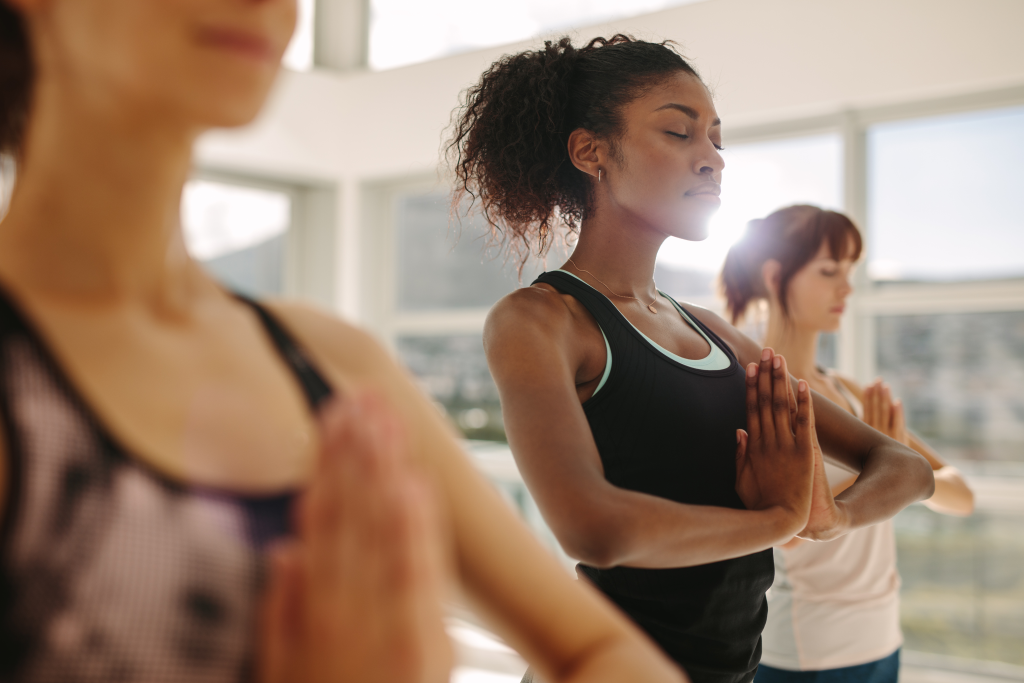
- Gentle or Restorative Yoga
Yoga that focuses on slow stretching and breathing rather than intense flows may help relieve tension. Helpful poses often include:
- Child’s Pose
- Cat-Cow
- Seated forward folds
- Gentle neck and shoulder stretches
These movements can target areas where many people carry tension before or during a migraine. Avoid hot yoga or high-intensity classes as these may be more likely to trigger symptoms.
- Swimming or Water Exercise
Water supports your body, reducing strain on joints and muscles. The rhythmic nature of swimming or light water aerobics can feel calming.
If strong smells or bright indoor lighting are triggers for you, look for well-ventilated facilities or quieter times of day.
- Light Strength Training
You don’t need heavy weights. Light dumbbells or resistance bands can still work to:
- Improve posture
- Strengthen muscles that support the neck and shoulders
- Reduce long-term muscle tension
Focus on slow, controlled movements and steady breathing. If you feel pressure building in your head or neck, pause and reassess. If you’re brand new to strength training, it could also be beneficial to consult a trained professional who can help ensure your form is correct.
- Micro-Movement Throughout the Day
Structured workouts aren’t the only option. Small movement breaks can add up.
Try:
- Five-minute stretch sessions
- Gentle shoulder rolls
- Neck mobility exercises
- Deep breathing or guided relaxation
These small resets may help interrupt stress patterns that contribute to migraine attacks.
How to Reduce the Risk of Exercise-Triggered Migraine
If you’re worried about exercise being a trigger, a few simple precautions can help:
- Warm up and cool down gradually. Sudden bursts of intensity can be problematic.
- Stay hydrated before, during, and after movement.
- Eat regularly. Low blood sugar is a common trigger.
- Avoid bright, flickering lights.
- Keep a migraine diary. Track how different activities affect you.
Most importantly, listen to your body. If you’re in the middle of an attack, rest may be the better choice. Gentle movement is often most helpful between attacks as part of an overall prevention strategy.
Movement as Just One Part of a Migraine Plan
Lifestyle changes like stress management, sleep consistency, and gentle exercise can all play a supportive role in managing migraine. But they’re often most effective when combined with appropriate medical treatment.
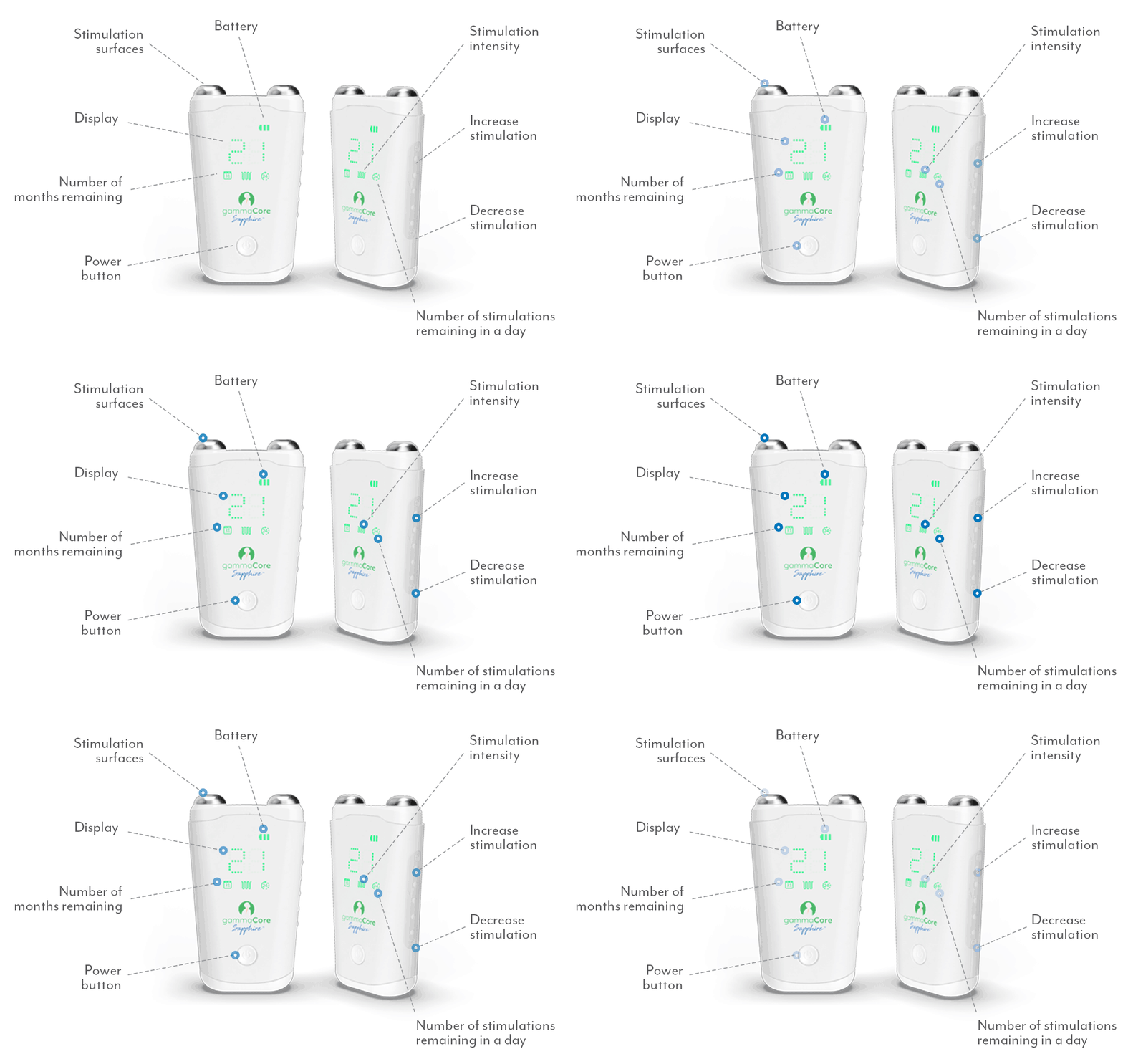
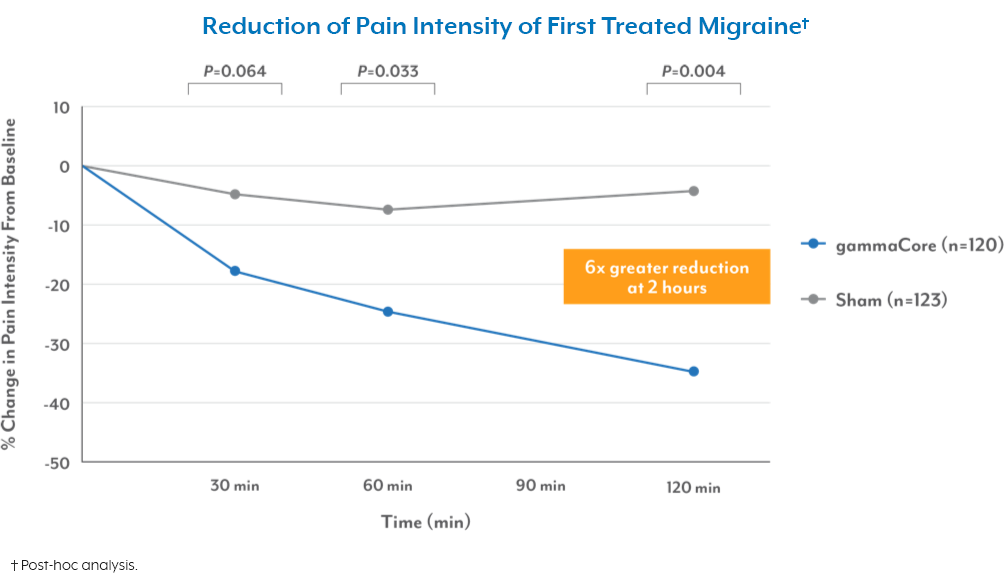
For some migraine sufferers, that may include non-drug options like gammaCore™ non-invasive vagus nerve stimulator (nVNS). gammaCore nVNS is a portable, handheld device that can be used at the onset of migraine pain or daily as part of your migraine prevention plan. Because it’s designed to fit into your everyday life, it can easily complement healthy habits like regular movement and relaxation techniques.
Remember, the goal isn’t to train harder. It’s to move in ways that feel safe, steady, and sustainable, supporting your body without overwhelming it. Gentle steps can still make meaningful progress.
Talk to your health care provider to see if gammaCore is right for you, or visit our clinic finder to help locate a health care provider near you. For additional information, contact our dedicated Customer Experience team at 888-903-2673 or customerservice@electrocore.com.
For important safety information and instructions for using gammaCore, please review the Important Safety Information and Instructions for Use.
EPM-02654