 Migraines are tough enough on their own, but hemiplegic migraine is a rare and more complex type that can feel especially alarming. For people living with this condition—and for their loved ones—understanding what’s happening and how to manage it can make a world of difference.
The first step is breaking down what hemiplegic migraine is, how it differs from typical migraine attacks, and what options are available to help you find relief.
What Is Hemiplegic Migraine?
Hemiplegic migraine is a rare subtype of migraine that causes temporary weakness or paralysis—usually on one side of the body—during an attack. It can mimic the symptoms of a stroke, which often makes it a frightening experience. There are two types to be aware of:
- Familial hemiplegic migraine (FHM): Passed down through families, caused by specific genetic mutations.
- Sporadic hemiplegic migraine (SHM): Occurs in people with no previous family history of the condition.
Although hemiplegic migraine is rare, it’s important to recognize the symptoms so you can get the right care and avoid unnecessary panic.
Common Symptoms of Hemiplegic Migraine
A hemiplegic migraine attack usually starts with aura symptoms and then progresses. Symptoms can include:
- Weakness or paralysis on one side of the body (face, arm, or leg).
- Speech difficulties, such as slurred speech or trouble finding words.
- Visual disturbances, like flashing lights, zigzag lines, or blind spots.
- Numbness or tingling in the face, arms, or legs.
- Severe headache that may follow the aura symptoms.
- Dizziness or confusion.
Symptoms typically last from a few hours to a few days, but in rare cases, they may persist longer. Most people fully recover after the attack, though the experience can feel overwhelming.
What Causes Hemiplegic Migraine?
The exact cause isn’t fully understood, but hemiplegic migraine is believed to be linked to overactive nerve cells, specifically a change in nerves called cortical spreading depression.[1] In familial cases, genetic mutations play a role.[2]
Common triggers can include:
- Stress or lack of sleep
- Certain foods (like aged cheeses, processed meats, or artificial sweeteners)
- Bright lights or strong smells
- Hormonal changes
- Weather shifts
Identifying and avoiding your triggers can help reduce the frequency of attacks.
Diagnosing Hemiplegic Migraine
Because symptoms often resemble those of a stroke, diagnosis typically involves ruling out other serious conditions first. Your health care provider may recommend:
- A neurological exam
- Brain imaging (MRI or CT scan)
- Genetic testing for familial cases
- A detailed symptom and migraine diary
If you ever experience sudden weakness or numbness, seek emergency medical care, especially if it’s your first episode. It’s always better to be safe and rule out a stroke before proceeding with diagnosing hemiplegic migraine.
Treatment and Management Options for Hemiplegic Migraine
While hemiplegic migraine can be unsettling, understanding your condition and building a personalized treatment plan can help you regain control. Managing hemiplegic migraine often requires a combination of strategies:
- Acute treatments: Medications to ease pain and shorten attacks.
- Preventive treatments: Options that help reduce the frequency or severity of attacks.
- Lifestyle changes: Prioritizing regular sleep, hydration, and stress management.
- Neuromodulation therapies: Non-drug options, like gammaCore™ non-invasive vagus nerve stimulator (nVNS), that help regulate the nervous system.
How gammaCore Can Help
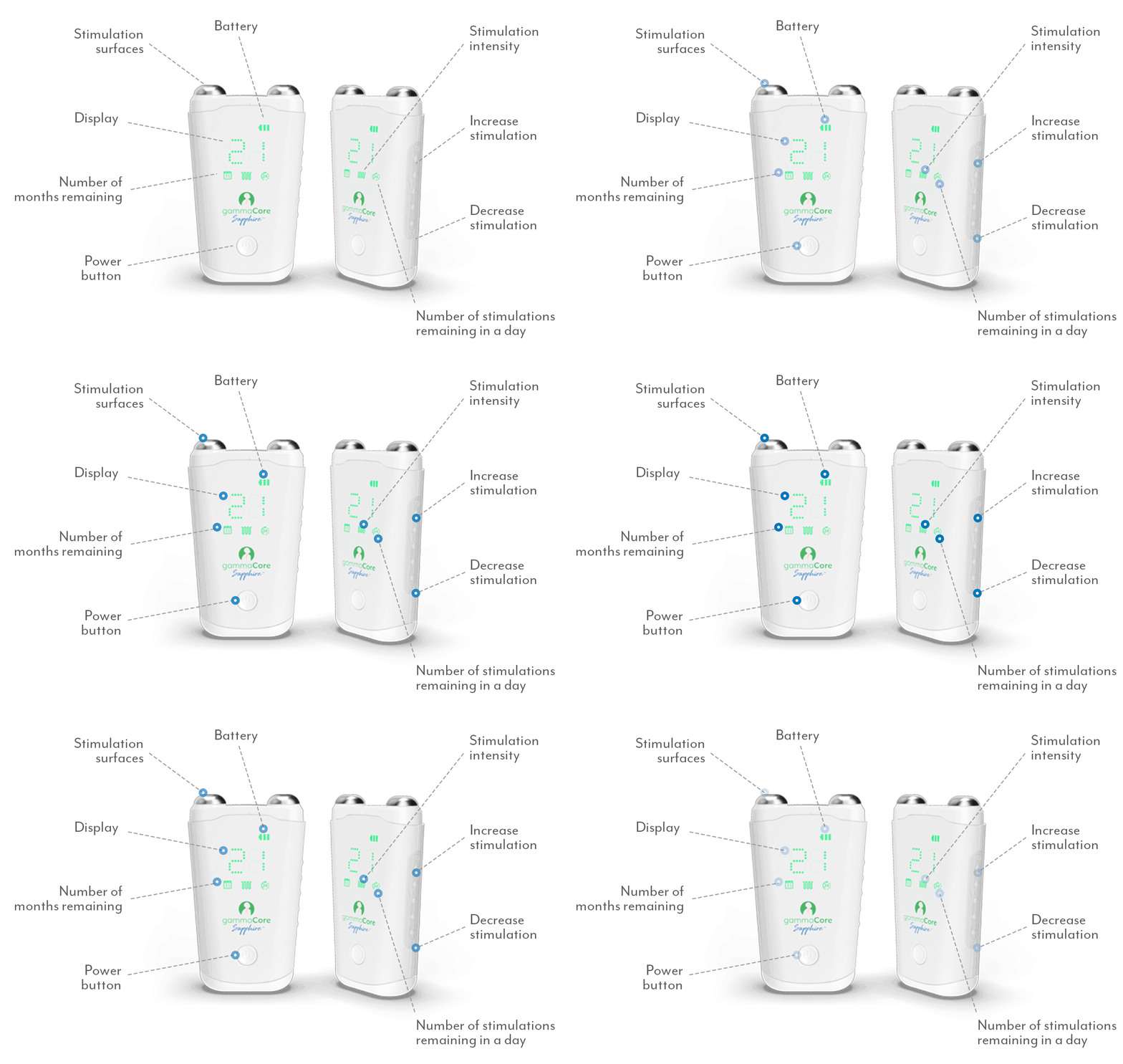
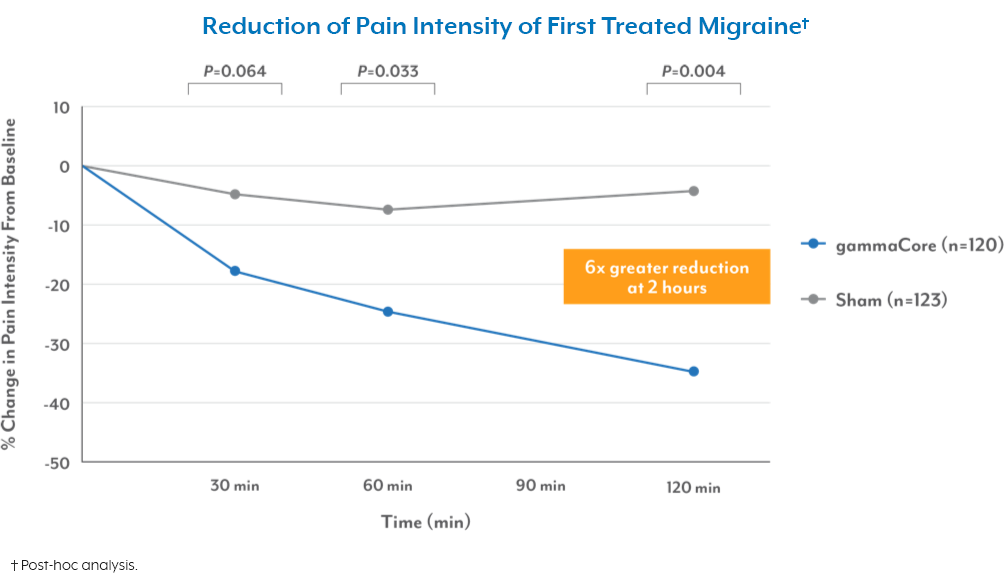
For people with migraine, especially those seeking drug-free relief, gammaCore nVNS offers a promising option. This small, handheld device delivers gentle stimulation to the vagus nerve through the skin on the side of the neck, helping to regulate the nervous system and relieve various types of migraine pain. gammaCore is clinically demonstrated to reduce the severity and frequency of migraines, making it an ideal component of your treatment plan for hemiplegic migraine. Plus, because it’s portable and medication-free, gammaCore can fit easily into your daily routine, whether you’re at home, at work, or on the go.
Talk to your health care provider to see if gammaCore is right for you, or visit our clinic finder to help locate a health care provider near you. For additional information, contact our dedicated Customer Experience team at 888-903-2673 or customerservice@electrocore.com.
For important safety information and instructions for using gammaCore, please review the Important Safety Information and Instructions for Use.
References
1. (n.d.). Hemiplegic Migraine. Cleveland Clinic. Retrieved August 26, 2025, from https://my.clevelandclinic.org/health/diseases/hemiplegic-migraine
2. (2023, July 24). Hemiplegic Migraine. National Organization for Rare Disorders. Retrieved August 26, 2025, from https://rarediseases.org/rare-diseases/hemiplegic-migraine/