
If you live with migraine, you’ve probably noticed this frustrating pattern: stress builds up, and soon after, a painful migraine follows. That’s not a coincidence. Stress is one of the most common migraine triggers, and while it’s impossible to eliminate stress entirely, learning how to manage it can make a meaningful difference in how often migraines strike and how severe they feel.
The good news? Stress reduction doesn’t have to mean hours of meditation retreats or completely overhauling your life. Small, realistic changes can go a long way.
Why Stress and Migraines Are So Closely Linked
Research shows that stress is a probable factor in as many as 80% of migraine cases.[i]
When you’re stressed, your body releases hormones like cortisol and adrenaline. These chemicals are useful in short bursts, but when stress is ongoing, they can disrupt sleep, tense muscles, and increase sensitivity in the nervous system, all of which can contribute to migraine attacks.
Stress can also lower your migraine threshold, meaning triggers that normally wouldn’t bother you (like bright lights or skipped meals) suddenly become much more powerful. Think of your migraine threshold like a bucket and triggers like water that fill the bucket. Stress is a big one that fills the bucket fast, and it’s usually accompanied by other triggers (e.g., poor sleep, hormonal changes, etc.) When the “bucket” overflows (meaning your migraine threshold is at its lowest), that’s when a migraine strikes. Needless to say, stress and migraines are very closely linked.
Simple Stress Reduction Techniques That Can Help
Here are a few approachable, evidence-based ways to calm your nervous system and support better migraine management.
- Deep, Slow Breathing: It may sound basic, but breathing deeply is one of the fastest ways to tell your body it’s safe to relax. Try inhaling slowly through your nose for four seconds, holding for two, then exhaling through your mouth for six seconds. Doing this for just a few minutes can help reduce tension and slow racing thoughts, especially during stressful moments or at the first sign of a migraine.
- Progressive Muscle Relaxation: This technique involves gently tensing and then releasing different muscle groups, starting from your feet and working upward. It helps you become more aware of where you’re holding tension (often the neck, shoulders, and jaw—common migraine pain areas) and encourages your body to let go of that tension.
- Gentle Movement: Exercise doesn’t have to be intense to be effective. Activities like walking, stretching, yoga, or light strength training can reduce stress hormones while boosting mood-supporting endorphins. The key is consistency and choosing movement that feels good, not draining.
- Mindfulness: Mindfulness is about noticing your thoughts and sensations without judgment. Even five minutes a day of guided meditation or quiet reflection can help reduce stress reactivity over time. Many people find it especially helpful before bed or during high-stress periods.
- Better Sleep Boundaries: Stress and poor sleep often fuel each other. Try creating a wind-down routine that signals to your body it’s time to rest. Dim lights, limit screen time, and go to bed at the same time each night when possible. Quality sleep helps regulate the nervous system and can reduce migraine frequency.
- Planning for Stressful Moments: Sometimes stress isn’t avoidable, but being prepared can help. Keeping quick relaxation tools handy (like breathing exercises, calming music, or a short walk) can make stressful moments feel more manageable and may prevent them from escalating into a migraine.
Understanding “Let-Down” Headaches
Interestingly, migraines don’t always happen during stressful moments. For some people, they can strike after the stress has passed. These are commonly called “let-down” headaches. After a period of high stress, your body suddenly relaxes, and stress hormones drop quickly. For people prone to migraine, this rapid shift in the nervous system can trigger an attack. This is why migraines may show up on weekends, vacations, or right after a big deadline or event. Learning to manage stress consistently—not just when things feel overwhelming—can help reduce the risk of these post-stress migraines.
Stress Reduction Is One Piece of the Puzzle
While stress management is powerful, it’s rarely the only factor in migraine care. Migraines are a neurological condition, and many people need a combination of lifestyle strategies, medical guidance, and targeted treatments to feel their best.
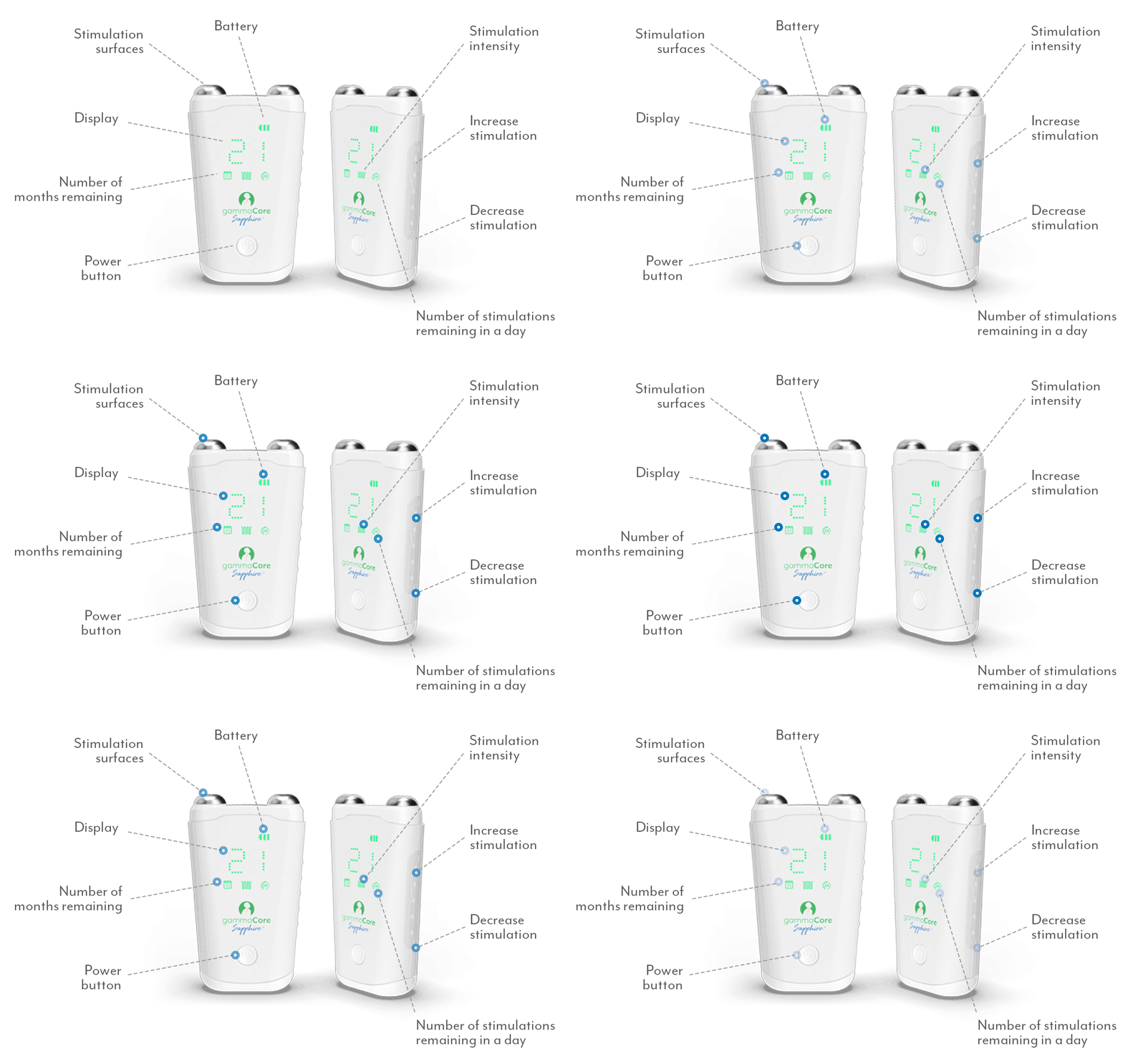
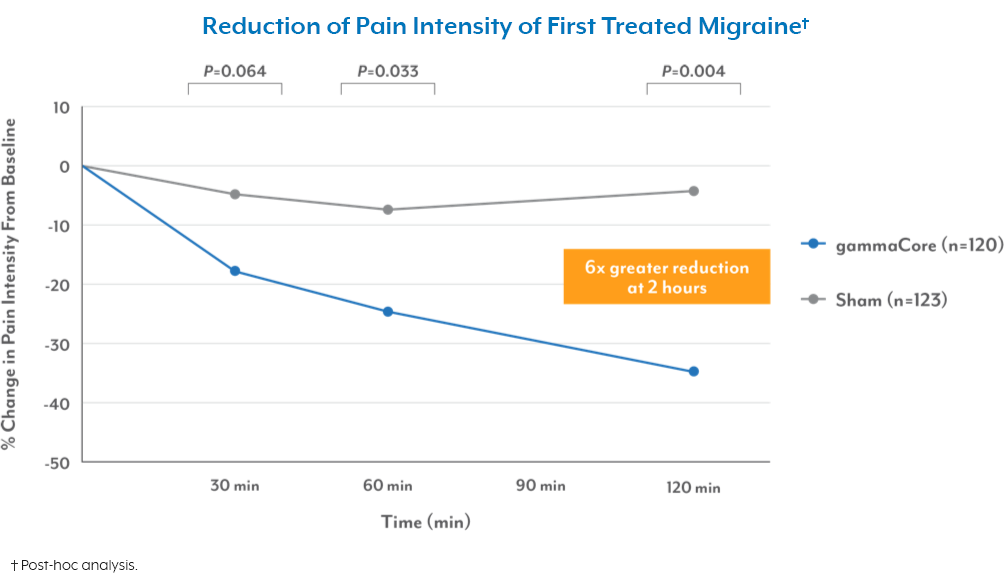
That’s where non-drug options like gammaCore™ non-invasive vagus nerve stimulator (nVNS) can play a role. The vagus nerve is an important part of the nervous system involved in stress response and pain signaling. Using gentle electrical pulses, gammaCore nVNS works to treat and prevent migraines. For some people, using gammaCore alongside stress reduction techniques can help support better migraine control without adding medications to their routine.
Managing migraines isn’t about perfection—it’s about progress. Even small steps to reduce daily stress can add up over time, helping you feel more in control and less at the mercy of your triggers. By pairing stress-reduction techniques with personalized migraine treatments, you can reclaim more good days, and fewer migraine-filled ones.
Talk to your health care provider to see if gammaCore is right for you, or visit our clinic finder to help locate a health care provider near you. For additional information, contact our dedicated Customer Experience team at 888-903-2673 or customerservice@electrocore.com.
For important safety information and instructions for using gammaCore, please review the Important Safety Information and Instructions for Use.
References
1. Ruschel, M. A., & De Jesus, O. (2025). Migraine Headache. StatPearls Publishing. https://www.ncbi.nlm.nih.gov/books/NBK560787/