 Whether you struggle with migraine yourself or know someone else who does, chances are you’ve probably heard a lot about “triggers”. Maybe you’ve been told to avoid chocolate, red wine, stress, bright lights, or certain smells. But here’s where things can get confusing: not everything that happens before or during a migraine attack is actually a trigger.
Some of those experiences may be symptoms, not causes.
Understanding the difference between a migraine trigger and a migraine symptom can be a game-changer when it comes to managing your condition and taking some of the guilt and guesswork out of the process.
What Is a Migraine Trigger?
A migraine trigger is something that can set off a migraine attack. Triggers vary widely from person to person, and most people have more than one. Common migraine triggers include:
- Persistent stress or sudden stress relief (also known as the “let down” headache)
- Changes in sleep (too little or too much)
- Skipping meals or dehydration
- Hormonal changes (especially around menstruation for women)
- Certain foods or drinks (like alcohol, aged cheeses, or artificial sweeteners)
- Bright lights, loud noises, or strong smells
- Weather or barometric pressure changes
Triggers don’t necessarily cause migraines on their own—migraine is a neurological condition—but they can push an already sensitive nervous system past its threshold. Think of triggers like flipping a light switch. If your brain is already primed for a migraine, a trigger can turn the attack “on.”
What Is a Migraine Symptom?
Not everything that shows up before a migraine is a trigger. Sometimes, it’s your body’s early warning system doing its best to signal what’s coming.
A migraine symptom is something that happens because a migraine attack is already underway, even if the pain hasn’t started yet. This is where many people get tripped up.
Symptoms can appear hours or even days before the headache phase, during what’s known as the prodrome or early warning phase of a migraine. Common migraine symptoms include:
- Food cravings (especially sugar or carbs)
- Fatigue or yawning
- Neck stiffness
- Mood changes (irritability, anxiety, or feeling low)
- Sensitivity to light, sound, or smell
- Brain fog or trouble concentrating
Because these symptoms show up before the pain, they’re often mistaken for triggers. For example, someone might think, “Chocolate always gives me a migraine,” when in reality, the craving for chocolate is an early symptom that the migraine has already begun.
Why This Distinction Is So Important
Mislabeling symptoms as triggers can lead to unnecessary restrictions and frustration. If you believe everything is a trigger, you may end up:
- Avoiding foods or activities that aren’t actually causing attacks.
- Feeling blamed or guilty when a migraine happens.
- Missing early warning signs that could help you intervene sooner.
Recognizing symptoms for what they are can actually empower you. When you notice early signs—like fatigue, neck tension, or food cravings—you can take action before the migraine fully escalates.
How to Tell the Difference Between a Trigger and a Symptom
One of the most helpful tools is a migraine diary. Instead of just writing down what you ate or did before an attack, try tracking:
- When symptoms first appear.
- How long after those symptoms the pain starts.
- Patterns over time (not just one-off events).
If something shows up consistently right before the pain—and alongside other early signs—it’s more likely a symptom than a trigger. It’s also important to remember that migraines are complex. It’s completely normal for the line between triggers and symptoms to feel blurry at first.
Managing Migraine with a Smarter Approach
Understanding what’s triggering your migraines and what’s simply part of the migraine process can help you focus on strategies that calm the nervous system, rather than trying to avoid every possible “offender.”
Knowing the difference can also ensure that you and your health care provider can work toward the most effective care plan, ideally one that focuses on both triggers and symptoms.
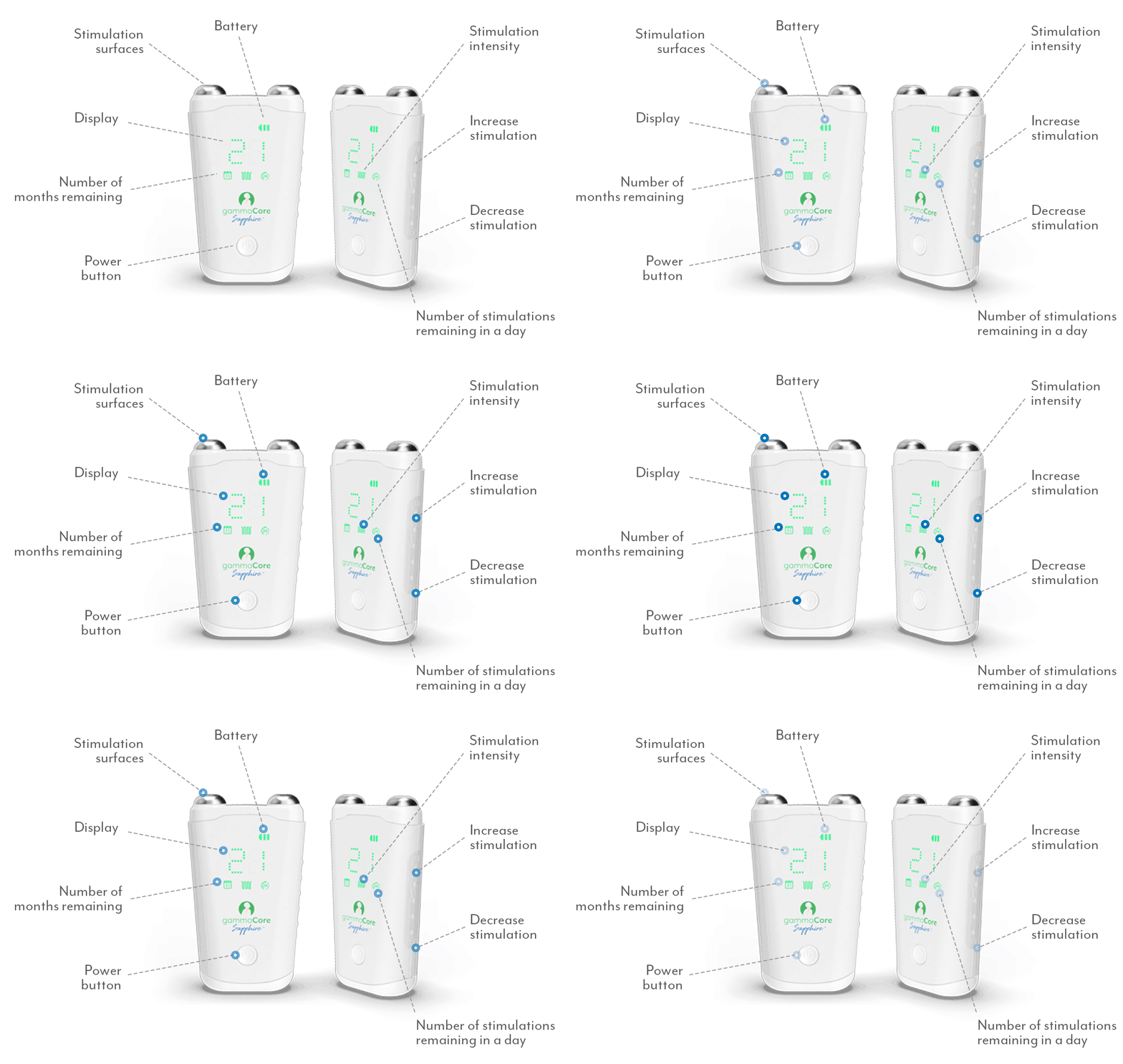
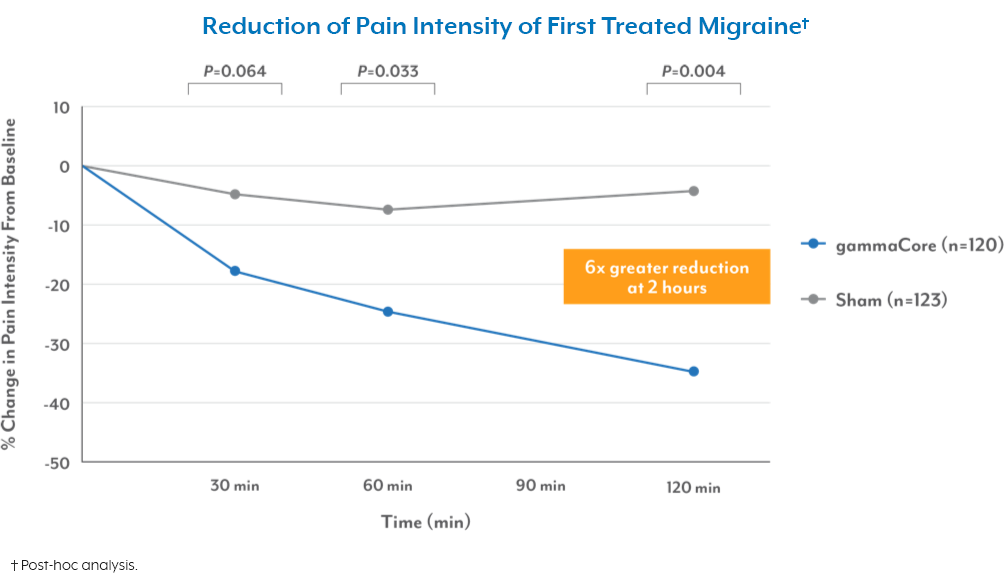
This is where gammaCore™ non-invasive vagus nerve stimulator (nVNS) can really help. gammaCore nVNS is a portable, handheld device that can be used at the onset of a migraine or during an attack. By targeting the vagus nerve, gammaCore helps regulate pain signals and reduce migraine symptoms without the side effects commonly associated with medications. For many people, using a tool like gammaCore early when symptoms first appear can be an important part of a more proactive migraine management plan.
Talk to your health care provider to see if gammaCore is right for you, or visit our clinic finder to help locate a health care provider near you. For additional information, contact our dedicated Customer Experience team at 888-903-2673 or customerservice@electrocore.com.
For important safety information and instructions for using gammaCore, please review the Important Safety Information and Instructions for Use.