 Living with cluster headache can feel unpredictable and overwhelming. Attacks can come on suddenly, escalate quickly, and disrupt everything from sleep to work to daily routines. While there’s no single solution that works for everyone, one surprisingly powerful tool can help bring clarity and control: a cluster headache journal.
Keeping a simple journal can help you better understand your attacks, identify patterns, and work more effectively with your healthcare provider. Here’s what to track, and why it matters.
Why Keep a Cluster Headache Journal?
Cluster headaches are often called “one of the most painful headache disorders,” and their patterns can vary widely from person to person. A journal helps you:
- Spot trends or triggers you may otherwise not notice.
- Understand how often attacks happen and how long they last.
- Evaluate what treatments or coping strategies are helping (or not).
- Equip your health care provider with clearer, more accurate information.
Think of your journal as a tool—not homework. It doesn’t have to be perfect or overly detailed to be helpful.
What to Track in Your Cluster Headache Journal
You don’t need a fancy app or a complex system. A notebook, notes app, or printable tracker works just fine. Focus on these key areas:
- Date and Time of the Attack.
Cluster headaches often follow a predictable schedule. Record:
- When the attack started and ended.
- Whether it occurred during the day or night.
- If it woke you from sleep.
Over time, this can reveal patterns tied to circadian rhythms or sleep cycles.
Pain Intensity and Location
Rate the pain on a simple scale (for example, 1–10). Also note:
- Which side of the head was affected.
- Whether the pain stayed in one place or spread.
This helps confirm consistency, an important diagnostic feature of cluster headache.
Associated Symptoms
Cluster headaches often come with distinctive symptoms. Track things like:
- Eye redness or tearing.
- Nasal congestion or runny nose.
- Drooping eyelid or facial sweating.
- Restlessness or agitation.
Noting these can help distinguish cluster headaches from other headache types.
Possible Triggers
Triggers don’t cause cluster headache, but they can provoke attacks during a cluster period. Common ones include:
- Alcohol
- Strong smells
- Changes in sleep
- Stress or intense emotion
Even if a trigger isn’t obvious, writing down what was happening before an attack can be revealing over time.
Treatments Used and Relief
Document what you tried during the attack, such as:
- Prescription medications
- Oxygen therapy
- Non-drug options like breathing techniques or neuromodulation therapy
Be sure to also note:
- How quickly relief started.
- How effective the treatment was.
- Any side effects.
This information can be incredibly valuable when adjusting your treatment plan.
Impact on Daily Life
Cluster headaches don’t just cause pain—they affect how you function. Consider tracking:
- Missed work or activities
- Sleep disruption
- Emotional impact (anxiety, frustration, exhaustion)
These details help paint a fuller picture of how the condition affects your quality of life.
How a Cluster Headache Journal Helps You and Your Doctor
A headache journal can turn vague memories into clear data. Instead of trying to recall details during an appointment, you can share real patterns and outcomes. This can support faster diagnosis, better treatment decisions, and more personalized care. It can also help you feel more empowered. When attacks feel uncontrollable, tracking them can restore a sense of agency, even in small ways.
Supporting Your Treatment Plan
For many people with cluster headache, treatment involves a combination of approaches. Journaling can help you understand how different options fit into your routine and which ones offer meaningful relief.
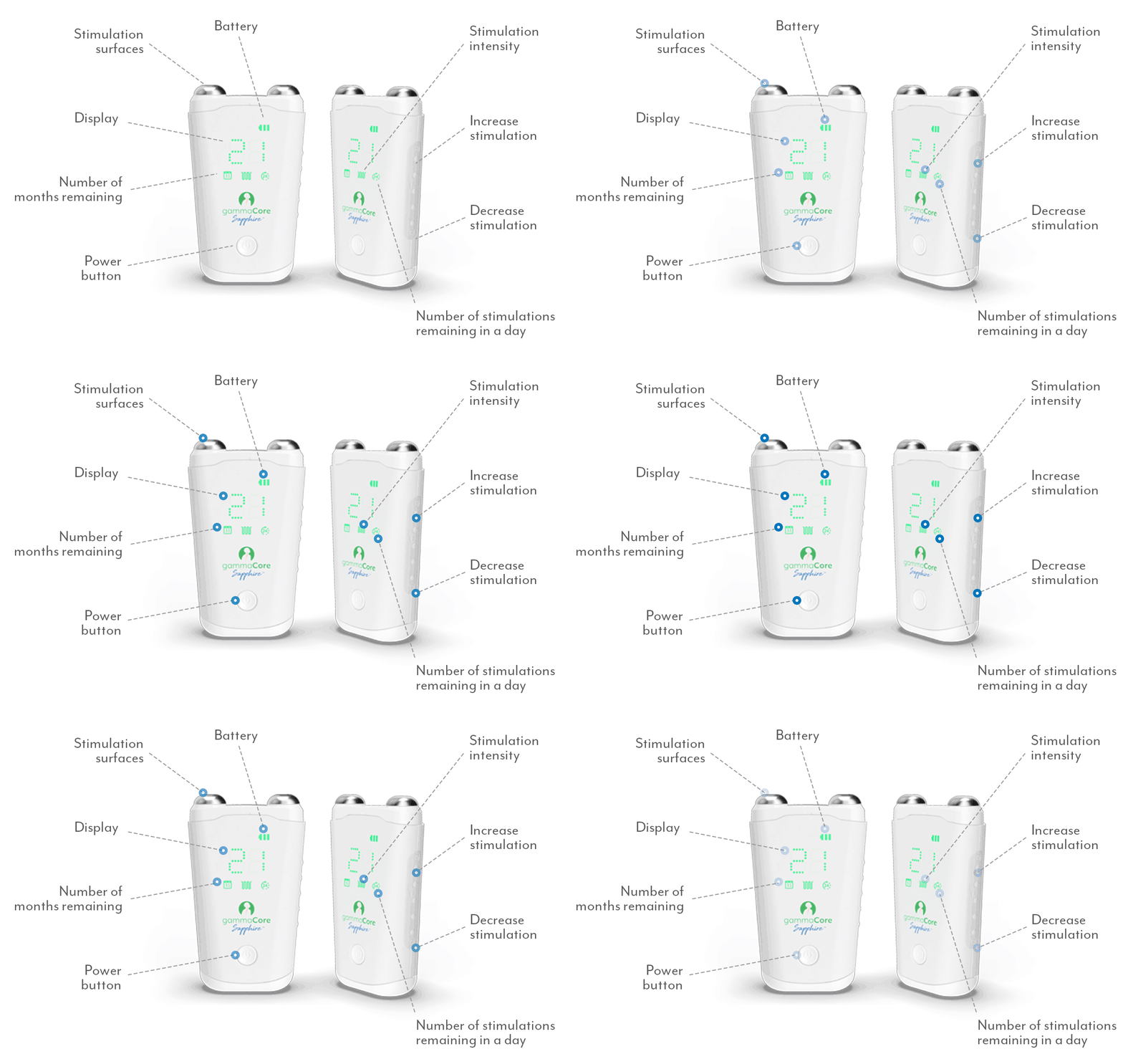
The insight from your cluster headache journal will enable your health care provider to recommend treatment therapies you may not have tried before, such as gammaCore™ non-invasive vagus nerve stimulator (nVNS). gammaCore nVNS is indicated for the acute treatment of pain associated with episodic cluster headache in adults, and as an adjunctive therapy for the preventive treatment of cluster headache.
Tracking when and how tools like gammaCore are used—and how well they work for you—can help you and your health care provider determine whether they’re a good addition to your overall management plan.
Keep It Simple and Be Kind to Yourself
You don’t need to track everything forever. Even a few weeks of consistent notes can provide valuable insights. If you miss a day or forget details, that’s okay. The goal isn’t perfection—it’s progress. A cluster headache journal won’t stop attacks on its own, but it can help you better understand them, advocate for yourself, and take a more active role in managing your condition. And sometimes, that clarity makes all the difference.
Talk to your health care provider to see if gammaCore is right for you, or visit our clinic finder to help locate a health care provider near you. For additional information, contact our dedicated Customer Experience team at 888-903-2673 or customerservice@electrocore.com.
For important safety information and instructions for using gammaCore, please review the Important Safety Information and Instructions for Use.