 When a headache hits, it can feel like your whole day comes to a grinding halt. Whether it’s stress-related tension, a migraine, or just that dull, nagging ache that won’t quit, it’s tempting to reach for quick fixes. But one tool that many people overlook is something you can practice anytime, anywhere, and it’s completely free: mindfulness.
Mindfulness isn’t about being perfectly calm or clearing your mind entirely. At its core, it’s the simple practice of paying attention to the present moment. Research shows that regular mindfulness practices may help reduce the intensity and frequency of headaches by calming the nervous system, lowering stress levels, and improving emotional resilience.[i]
Below are some beginner-friendly mindfulness techniques for headache relief.
Deep Breathing to Relax the Nervous System
When we’re stressed or in pain, our breathing tends to become shallow and fast. Deep, intentional breathing helps calm the nervous system, which may reduce headache-related tension and support overall symptom management.
Try This: Sit comfortably and inhale through your nose for four seconds. Hold your breath gently for two seconds, then exhale through your mouth for six seconds. Repeat this cycle for 1–2 minutes.
This simple exercise increases oxygen flow, supports muscle relaxation, and helps ease physical tension—factors that can play a role in headache symptoms for some individuals.
Body Scans to Release Hidden Tension
A body scan is a guided mindfulness exercise that asks you to pay attention to each part of your body, from head to toe. This helps you identify areas of tightness or strain you may not even realize you’re holding. Body scans are especially helpful for people with headaches, since tightness in the jaw, neck, shoulders, or upper back can sometimes contribute to headache-related discomfort or trigger an attack.
Try This: While lying down or sitting comfortably, slowly bring attention to your forehead, jaw, shoulders, neck, upper back, and so on. Notice any tightness. Try releasing tension in each area as you breathe out.
Grounding Techniques for Overwhelm and Sensory Sensitivity
Headaches, especially migraines, can make you feel overstimulated or mentally foggy. Grounding techniques help reconnect you to your physical environment and break cycles of worry or sensory overload.
Try This:
Look around and identify:
- 5 things you can see
- 4 things you can feel
- 3 things you can hear
- 2 things you can smell
- 1 thing you can taste
This simple check-in helps shift your focus away from the discomfort and into the present moment.
Mindful Movement to Loosen Stiff Muscles
Gentle physical practices like yoga, stretching, tai chi, or slow walking combine movement with mindful awareness. They help increase blood flow, reduce muscle tension in the neck and shoulders, and support the body’s natural stress-relief processes.
Try This: You don’t need a fancy setup—just 5–10 minutes of slow stretching or mindful walking can make a noticeable difference. Start small and then gradually increase the time as you get more comfortable practicing it.
Meditation for Long-Term Headache Support
Short daily meditation sessions—even just five minutes—can help retrain the brain’s response to stress and pain. Regular meditation may support:
- Lower stress and anxiety
- Better sleep quality
- Improved pain tolerance
- Greater emotional regulation
Try This: If you’re new to meditation, apps, videos, or short guided sessions can help you get started and can make it feel much less intimidating. Start out with short sessions and try to focus on your breaths.
Pairing Mindfulness with Other Tools
Mindfulness isn’t meant to replace medical treatments or headache-specific therapies, but rather just one part of a holistic approach. Many people find that combining mindfulness with physician-recommended tools offers stronger support for managing headache frequency and severity.
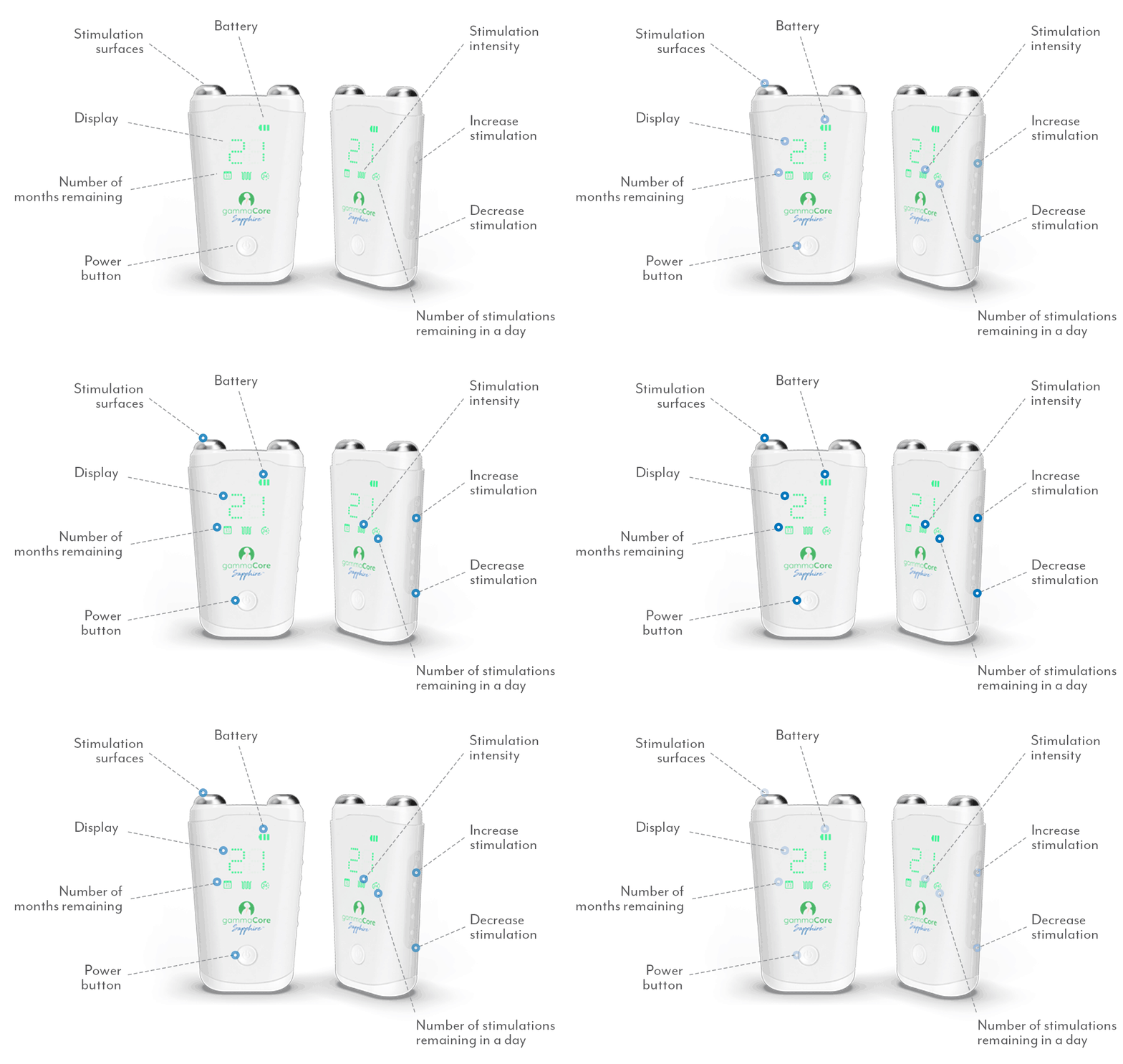
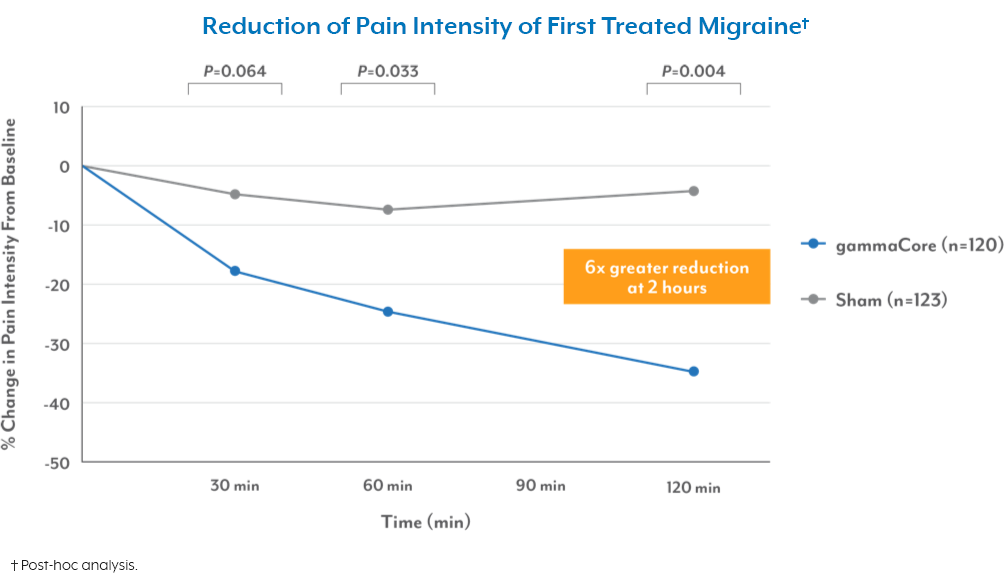
One option your health care provider may recommend to pair with your mindfulness practice is gammaCore™ non-invasive vagus nerve stimulator (nVNS). This portable, drug-free device is clinically proven to treat and prevent headache pain, including migraine. Because mindfulness and gammaCore nVNS both work through calming and regulating the nervous system, they can complement one another well as part of a comprehensive headache management plan.
Migraines are complicated, and everyone’s experience is different. But incorporating simple mindfulness practices into your routine may help reduce stress, quiet the mind, and give your body the space it needs to recover. Start small, stay consistent, and pair your mindfulness routine with the treatments your health care provider recommends, including options like gammaCore if appropriate for your condition.
Talk to your health care provider to see if gammaCore is right for you, or visit our clinic finder to help locate a health care provider near you. For additional information, contact our dedicated Customer Experience team at 888-903-2673 or customerservice@electrocore.com.
References
1. Ashina, S. (2021, December 15). How can mindfulness practices help with migraine? Harvard Health Publishing. Retrieved November 12, 2025, from https://www.health.harvard.edu/blog/how-can-mindfulness-practices-help-with-migraine-202112152659