 If you live with cluster headache, you know how sudden, severe, and disruptive they can be. These headaches aren’t like a migraine or tension headache—they’re often described as some of the most intense pain a person can experience. What makes cluster headaches even more challenging is that they tend to come in cycles, appearing daily (or even multiple times a day) for weeks or months at a time before going into remission.
While you can’t always predict exactly when a cycle will start or how long it will last, understanding what typically happens during a cluster cycle—and how to prepare—can help you feel more in control. Here’s what you need to know.
Understanding What a Cluster Cycle Is
A cluster cycle, also called a “bout,” is a period when a person has repeated cluster headache attacks. These cycles often follow a pattern:
- They occur in clusters, happening around the same time each day.
- Attacks commonly strike at night, often waking people from sleep.
- A cycle may last weeks to months, followed by a period of remission that can last months or years.
- Certain triggers may make attacks more likely, including alcohol, strong smells, heat, high altitudes, or disrupted sleep.
Everyone’s experience is different, but most people with episodic cluster headache can identify common signs that a cycle is starting.
Early Signs a Cluster Cycle May Be Beginning
Many people notice subtle changes before attacks become frequent. These early signs can act like a warning:
- Mild discomfort or pressure around one eye
- Watery eyes or nasal congestion on one side
- Restlessness or trouble staying still
- Nighttime waking or disrupted sleep
- Sensitivity to light or sound
Not everyone gets these signals, but if you do, they can help you prepare and make a plan with your health care provider.
What to Expect During an Active Cycle
Once a cycle is underway, attacks can feel overwhelming. Here are the key things to expect:
Predictable but intense attacks
Cluster headaches often occur at the same time each day. Many people have attacks during the night—often within an hour or two of falling asleep—and again at set times during the day.
Pain that escalates quickly
Cluster pain comes on fast and reaches peak intensity within minutes. The pain usually stays on one side of the head, often behind or around the eye.
Physical symptoms
Cluster headaches cause excruciating, one-sided pain, usually around the eye or temple, accompanied by autonomic symptoms like a red, watery eye, drooping eyelid, stuffy or runny nose, facial sweating and flushing, all on the affected side.
Behavioral & Other Symptoms
Unlike migraine sufferers who prefer lying still, people with cluster attacks often feel restless and agitated, and have the urge to pace, rock, or move during the pain. Heart rate and blood pressure may also change, and there may be increased sensitivity to light/sound/smell.
Post-attack exhaustion
After an attack ends, many people feel drained, foggy, or emotionally overwhelmed.
How to Prepare for a Cluster Cycle
Even though cluster headaches are unpredictable, planning ahead can make cycles more manageable. Here are a few steps that can help.
Create a treatment plan with your doctor.
Work with your health care provider to create a personalized plan. Having this plan ready can reduce panic when attacks begin.
Your plan may include:
- Acute treatments (fast-acting treatments for an attack)
- Preventive treatments (daily medications to reduce attack frequency/severity)
- Lifestyle adjustments
- Tools or devices recommended for your condition
Gather supplies before the cycle starts.
The last thing you want to do when a cycle starts is go looking for what you need, so keeping these readily available at home, work, and even during travel can make all the difference during an attack. Many people rely on:
- Acute medications
- oxygen tanks (if prescribed)
- Cold packs
- Comfortable dark spaces
- Water bottles
- Eye masks
- A place to pace or move
Identify and avoid known triggers.
While the exact cause of cluster headache is unknown, some people find that triggers like alcohol, nicotine, specific foods, or changes in sleep patterns may precipitate a cycle or an attack. Strong smells, extreme temperatures, and high altitudes can also worsen attacks. Keeping a detailed headache diary can help identify personal triggers.
Track your sleep and schedule.
Since disrupted sleep can be a trigger, maintaining a consistent schedule may help reduce the frequency of attacks.
Build a support system.
Let family members, friends, or coworkers know you’re entering a cycle so they can understand your needs, provide support, and help with responsibilities or adjust expectations.
A Tool for Prevention and Treatment
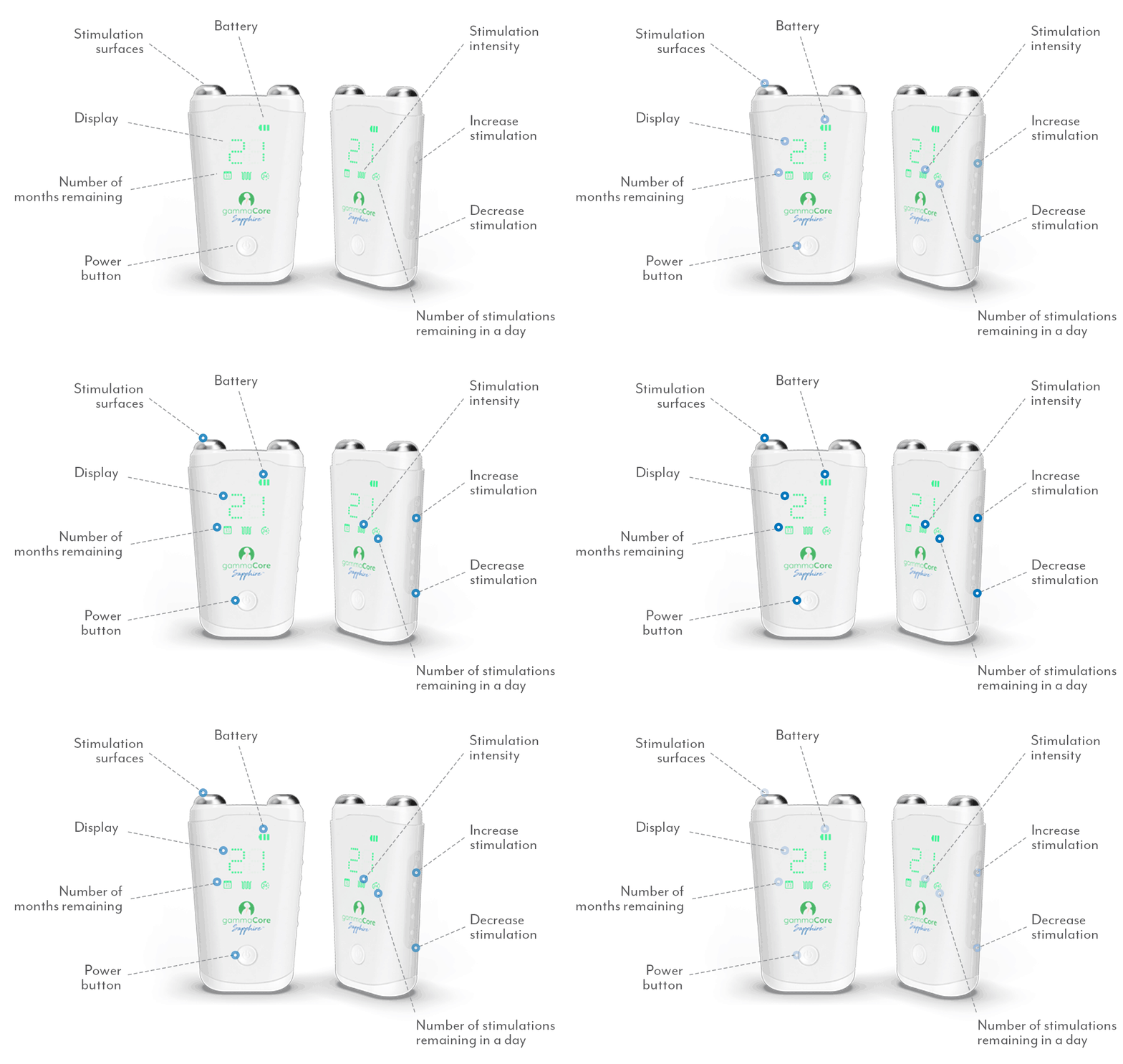
While cluster headaches can feel uncontrollable, there are treatment options that not only treat pain when it strikes but can also help reduce the severity and frequency of future attacks. One option your health care provider may recommend is gammaCore™ non-invasive vagus nerve stimulator (nVNS), which is indicated for the acute treatment of pain associated with episodic cluster headache and as an adjunctive therapy for the preventive treatment of cluster headache in adult patients.
gammaCore nVNS is a portable, handheld device designed for at-home use, offering a drug-free way to manage attacks as part of your overall treatment plan. Many people use gammaCore alongside physician-recommended therapies to support better control and improve quality of life during active cycles.
Cluster cycles can be incredibly challenging, but understanding what to expect can help you feel more prepared and less alone. By recognizing early signs, building a personalized treatment plan, avoiding triggers, and keeping supportive tools on hand, you can navigate cycles with more confidence.
Talk to your health care provider to see if gammaCore is right for you, or visit our clinic finder to help locate a health care provider near you. For additional information, contact our dedicated Customer Experience team at 888-903-2673 or customerservice@electrocore.com.