 If you live with migraines, you’ve probably noticed a frustrating pattern: a bad night’s sleep often leads to a bad migraine day. And on the flip side, migraine pain can make it nearly impossible to sleep well. This creates a tough cycle—poor sleep triggers migraines, and migraines disrupt sleep.
The good news? Improving your sleep hygiene (the habits and routines that support healthy sleep) can play a meaningful role in reducing migraine frequency and intensity. Let’s break down how sleep and migraines are connected, and what you can realistically do to get better rest.
Why Sleep Matters for Migraine
Sleep is when your brain resets, repairs, and regulates key systems involved in pain processing. When sleep is disrupted or inconsistent, the brain becomes more sensitive to triggers like light, sound, stress, and hormonal shifts—all common migraine contributors.
Research shows that both too little sleep and too much sleep can trigger migraine attacks.[1] Irregular sleep schedules, frequent awakenings, and poor-quality sleep can all increase the likelihood of an attack.
In short: migraines and sleep are deeply intertwined.
What Is Sleep Hygiene?
Sleep hygiene refers to everyday behaviors that support consistent, high-quality sleep. It doesn’t mean perfect sleep—especially if migraines already interfere—but small, steady changes can make a big difference over time.
Here are some migraine-friendly sleep hygiene tips that are practical and achievable.
Keep a Consistent Sleep Schedule
Try to go to bed and wake up at roughly the same time every day, even on weekends. Large swings in sleep timing can confuse your body’s internal clock and trigger migraines.
If you need to adjust your schedule, do it gradually (15–30 minutes at a time).
Create a Wind-Down Routine
Your brain needs cues that it’s time to rest. A calming pre-bed routine can help signal that transition. Consider:
- Dimming lights an hour before bed.
- Reading something light (not work-related).
- Gentle stretching or breathing exercises.
- A warm shower or bath.
Avoid stimulating activities right before bed, like intense TV shows, stressful conversations, or scrolling on your phone.
Cut Down on Screen Time Before Bed
Blue light from phones, tablets, and TVs can interfere with melatonin, the hormone that helps regulate sleep. For people with migraine, this can be especially disruptive. If possible, aim to turn screens off 30–60 minutes before bedtime. If that’s not realistic, try blue-light filters or “night mode” settings.
Be Mindful of Caffeine and Alcohol
Caffeine can stay in your system longer than you might think, sometimes up to eight hours. Try to limit caffeine after early afternoon.
Alcohol may make you feel sleepy at first, but it often leads to lighter, more fragmented sleep and can trigger migraines in some people. Consider cutting back or eliminating it from your diet altogether to help improve your sleep quality.
Make Your Sleep Space Migraine-Friendly
Your bedroom should support rest, not stimulation. Even small adjustments can improve sleep quality over time. A few things to try:
- Keep the room dark, quiet, and cool.
- Use blackout curtains or a sleep mask if light is an issue.
- Consider white noise if sound sensitivity is a trigger.
When Better Sleep Isn’t Enough
Improving sleep hygiene can reduce migraine risk, but it’s not always enough on its own. Migraines are a neurological condition, and many people need additional tools to manage attacks when they occur.
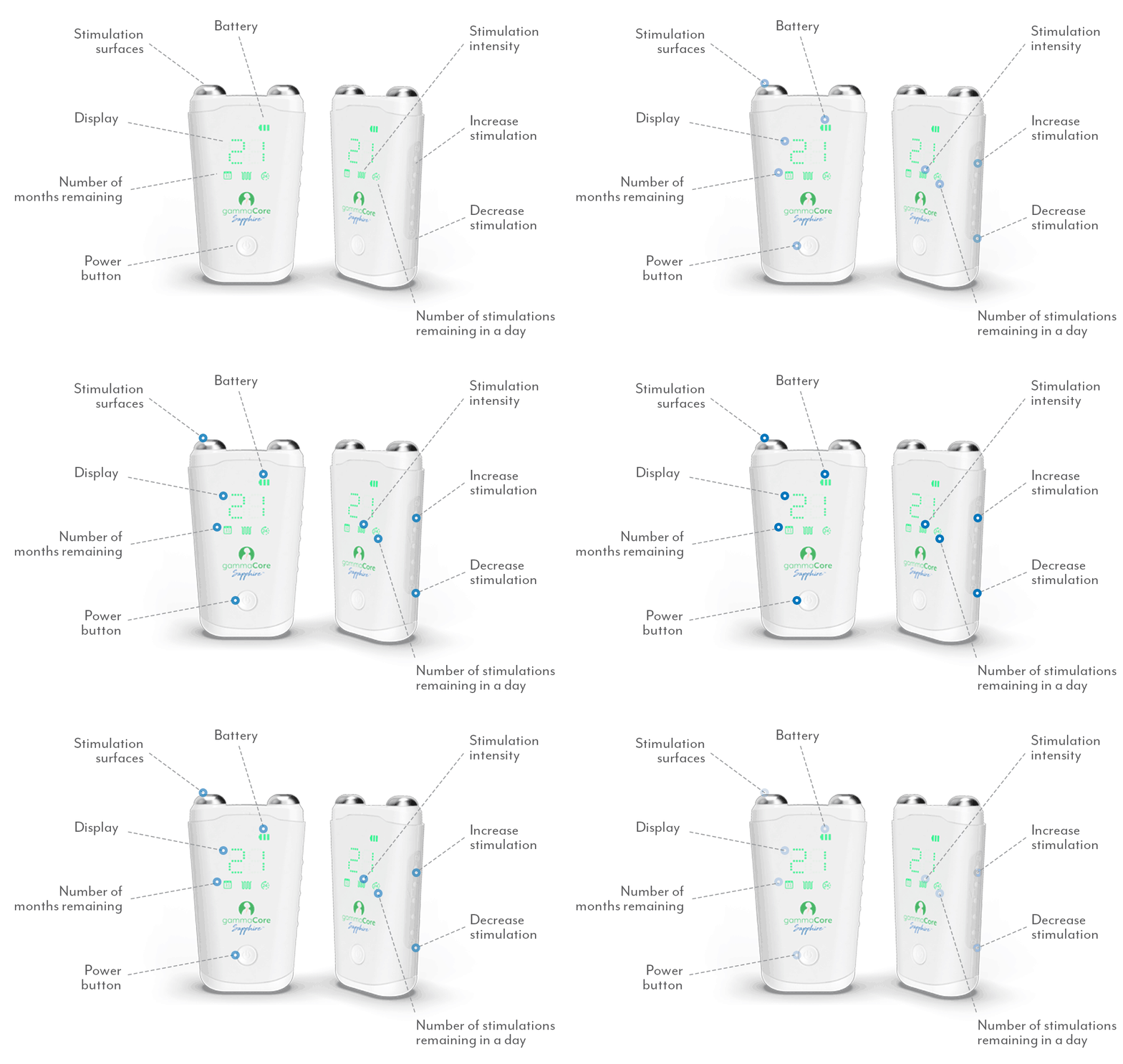
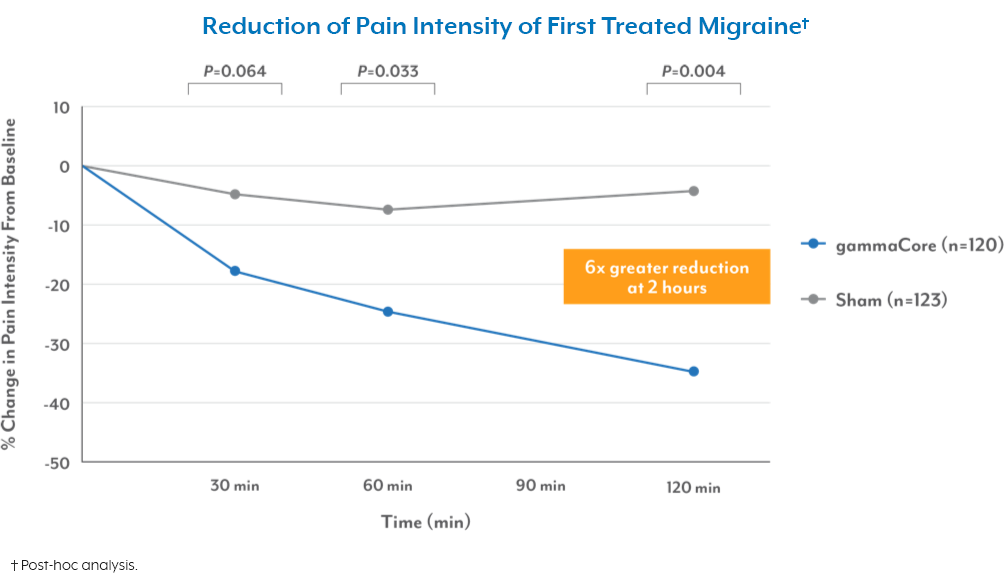
That’s where options like gammaCore™ non-invasive vagus nerve stimulator (nVNS) may help. gammaCore nVNS is a portable, handheld device that works by stimulating the vagus nerve through the skin on your neck, which blocks pain pathways that are associated with migraine, resulting in less severe and less frequent attacks. It can be used alongside lifestyle strategies like better sleep habits, stress management, and other treatments recommended by your health care provider.
At the end of the day, better sleep won’t cure migraines, but it can absolutely make them more manageable. By building consistent, supportive sleep habits and pairing them with appropriate migraine treatments, many people find they gain more control over their symptoms—and their days.
Talk to your health care provider to see if gammaCore is right for you, or visit our clinic finder to help locate a health care provider near you. For additional information, contact our dedicated Customer Experience team at 888-903-2673 or customerservice@electrocore.com.
For important safety information and instructions for using gammaCore, please review the Important Safety Information and Instructions for Use.
References
[1] (n.d.). Migraine and sleep. The Migraine Trust. Retrieved December 14, 2025, from https://migrainetrust.org/live-with-migraine/self-management/migraine-and-sleep/