 People who live with migraine know the routine all too well: the warning signs, the throbbing pain, the light sensitivity, and the desperate hope that the episode will end soon. But sometimes, a migraine attack doesn’t follow the usual timeline. Instead of lasting hours or even a day, it lingers far longer. This severe and stubborn type of migraine is known as status migrainosus.
What Is Status Migrainosus?
Status migrainosus (pronounced sta-tus my-gray-no-sus) is a migraine attack that lasts more than 72 hours (3 days), even with treatment. It’s not just a “bad migraine”—it’s a prolonged and often debilitating episode that can severely impact daily life.
Unlike typical migraine attacks that may come and go within 24-48 hours, status migrainosus doesn’t ease up easily. Pain levels and associated symptoms can vary, sometimes lessening for short periods, but the headache continues.
Symptoms to Watch For
The symptoms of status migrainosus are very similar to those of a “regular” migraine, but they can feel more intense because of how long they last. These may include:
- Severe, throbbing headache (often on one side of the head) that does not respond to usual migraine medications.
- Nausea and vomiting.
- Sensitivity to light, sound, or smell.
- Visual disturbances such as flashes of light or blind spots.
- Difficulty concentrating or thinking clearly.
- Fatigue or weakness.
When these symptoms continue for days, they can interfere with work, school, family responsibilities, and even basic self-care.
What Causes Status Migrainosus?
The exact cause isn’t always clear, but several triggers and risk factors may play a role:
- Medication overuse (also called rebound headache)
- Stress or sudden changes in routine
- Hormonal changes (such as around menstruation)
- Sleep disruption or jet lag
- Weather shifts or changes in barometric pressure
- Dehydration or skipping meals
- Genetics
For some, status migrainosus seems to appear out of nowhere, even without a clear trigger.
When to Seek Medical Help
While most migraine attacks can be managed at home with rest, hydration, and prescribed treatments, status migrainosus often requires medical attention. You should reach out to your doctor if:
- Your migraine lasts longer than 72 hours (3 days).
- Your symptoms are worsening or changing in ways you’ve never experienced before.
- You can’t keep fluids or medication down due to vomiting.
- The pain is so severe it feels unmanageable.
In some cases, emergency treatment may be needed to break the cycle and prevent complications like severe dehydration.
Treatment Options for Status Migrainosus
Doctors may recommend a variety of treatments for status migrainosus, depending on your health history and what has or hasn’t worked in the past. These may include:
- IV fluids to prevent dehydration.
- Anti-nausea medications to help you tolerate food, drink, and medication.
- Steroids or anti-inflammatory drugs to reduce inflammation.
- Triptans, monoclonal antibody injections, or other migraine-specific medications.
- Nerve blocks or epidurals to provide pain relief.
- Nerve stimulation therapies, which use gentle electrical impulses to calm overactive pain pathways.
Treatment often involves more than one approach to get symptoms under control and help prevent recurrence.
Living with Migraine: A Brighter Path Forward
If you live with migraine, especially severe types like status migrainosus, you know how life-disrupting they can be. While there’s no single “cure,” evolving treatment options are giving people more control over their condition.
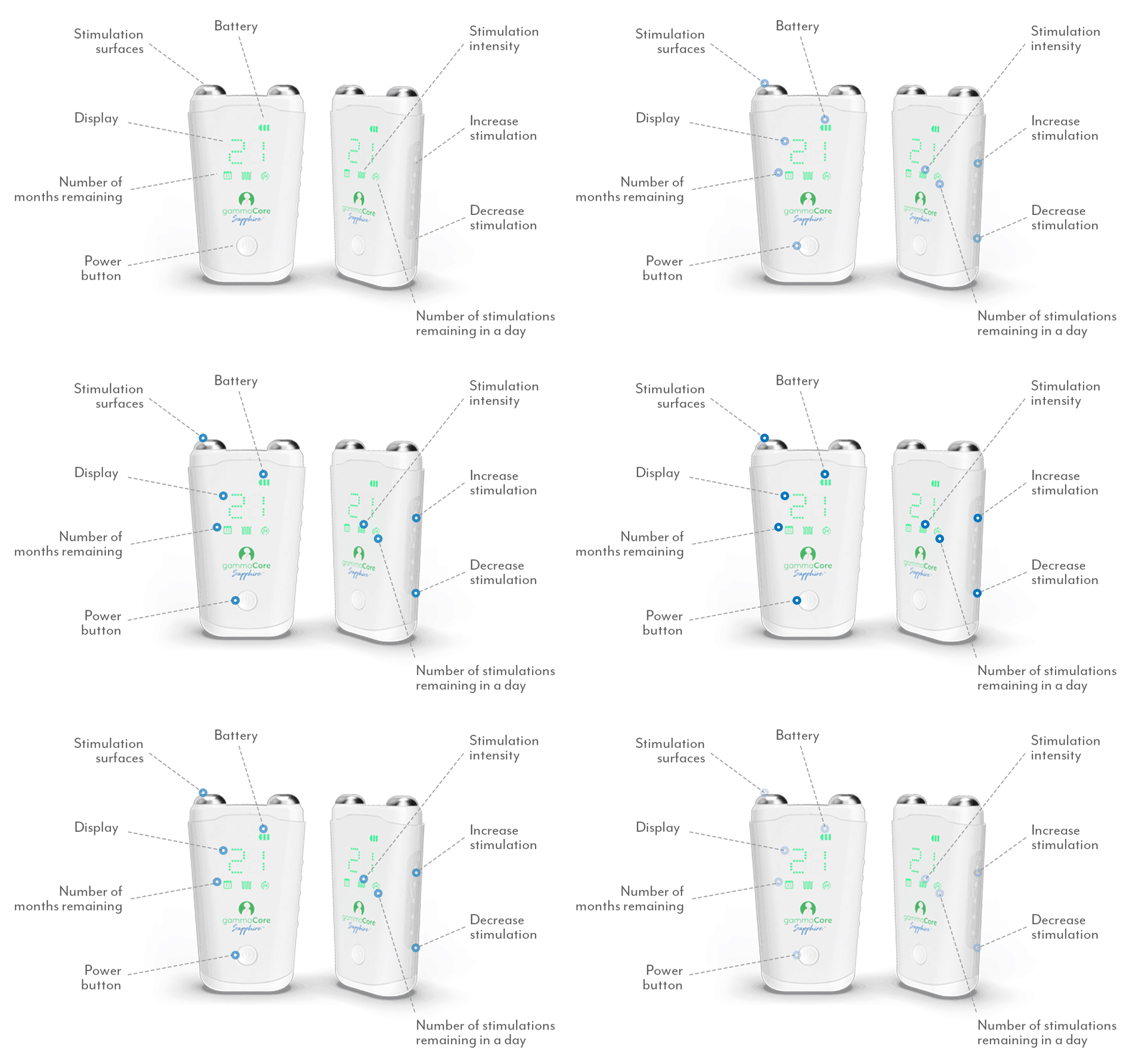
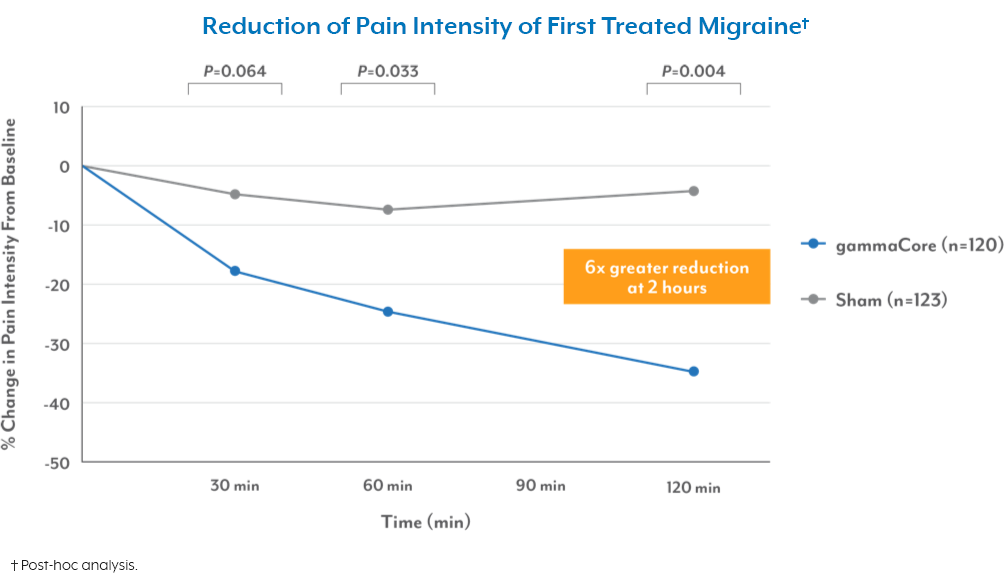
One example is gammaCore™ non-invasive vagus nerve stimulator (nVNS), a portable, handheld device cleared by the FDA for the treatment of migraine. By stimulating the vagus nerve through the skin on the side of the neck, gammaCore nVNS can help block pain signals associated with migraines and provide relief without the side effects often linked to medications. In addition to reducing the severity of migraines, gammaCore is also clinically demonstrated to help prevent future attacks.
For many people, devices like gammaCore can become an important part of their migraine management plan, used alongside lifestyle strategies like stress reduction, good sleep habits, and hydration. If you suspect you’re experiencing status migrainosus, don’t wait—reach out to your health care provider.
Talk to your health care provider to see if gammaCore is right for you, or visit our clinic finder to help locate a health care provider near you. For additional information, contact our dedicated Customer Experience team at 888-903-2673 or customerservice@electrocore.com.
For important safety information and instructions for using gammaCore, please review the Important Safety Information and Instructions for Use.